RI to require plastic-packaged goods makers fund waste management
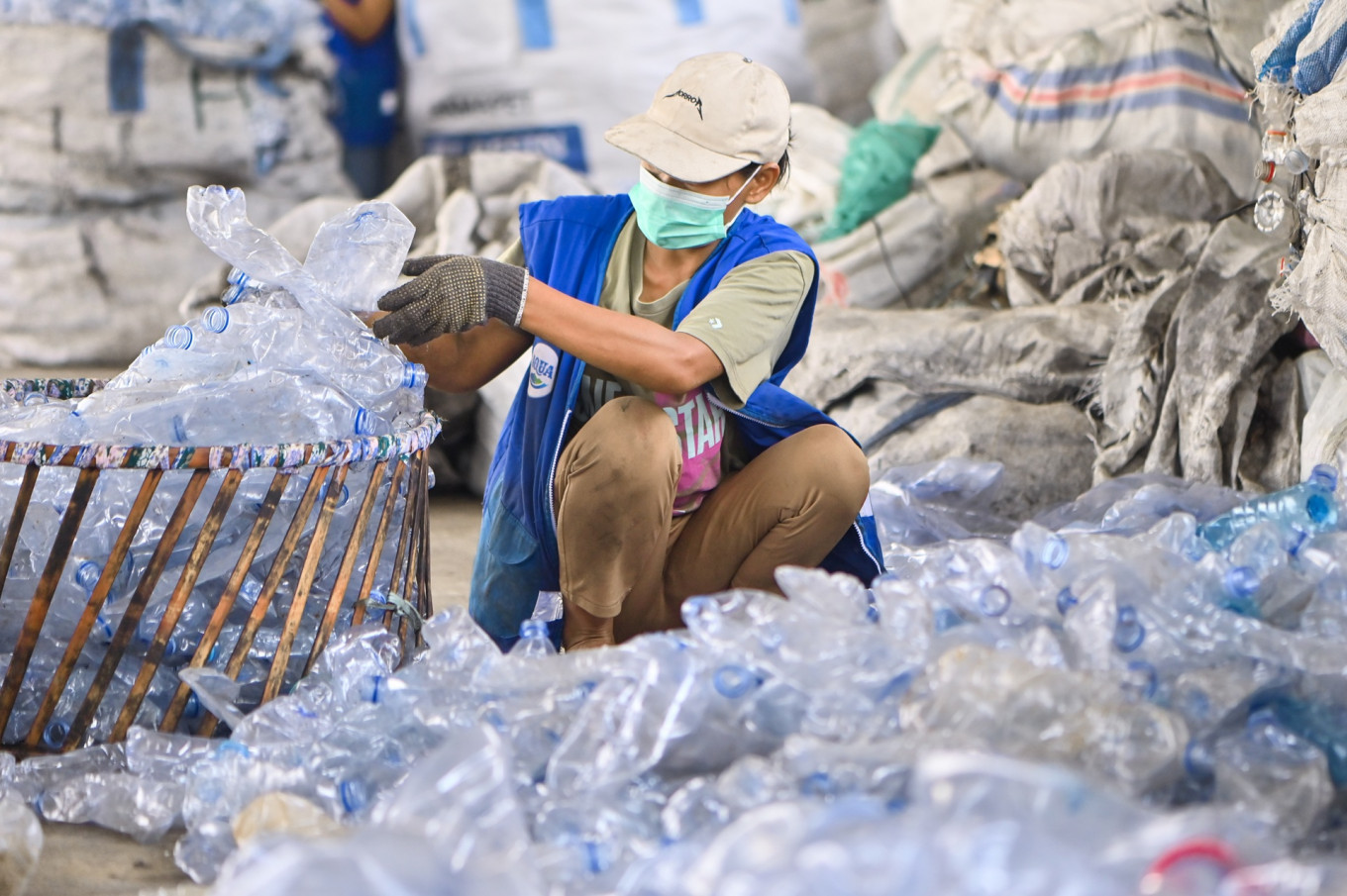
Indonesia's Environment Ministry is preparing a new regulation that mandates plastic-packaged goods manufacturers to finance the collection and management of their post-consumer waste. This Extended Producer Responsibility (EPR) policy will target approximately 10,000 large-scale producers, requiring them to allocate funds to independent Packaging Recovery Organizations (PROs). The initiative represents a significant shift in the waste management sector by shifting the financial burden of waste processing from the public sector to private manufacturers.
Environment Minister Mohammad Jumhur Hidayat announced that the upcoming ministerial regulation will expand the scope of producer responsibility beyond the manufacturing stage to include the entire lifecycle of plastic packaging. Under this framework, around 10,000 major manufacturers will be required to channel financial resources into Packaging Recovery Organizations (PROs), which are independent entities tasked with managing waste collection and recycling operations. This policy aims to directly address Indonesia's escalating waste crisis by ensuring that the companies generating plastic waste are also responsible for its mitigation.
The operational funds provided by producers will be managed by the PROs rather than the central government, which will focus primarily on overseeing the regulatory framework. Minister Hidayat noted that these organizations can be established at the local level, such as in Tangerang, and will be open to community involvement. This structure is intended to foster the creation of green jobs and support a variety of grassroots environmental initiatives, including public awareness campaigns and river cleanup projects.
Major producers have reportedly expressed their readiness to comply with the new EPR requirements during meetings with the Environment Ministry. By formalizing these responsibilities, the government expects to create a sustainable funding stream for waste management infrastructure that does not rely solely on state budgets. The move is seen as a critical step in modernizing Indonesia's waste management landscape and incentivizing companies to adopt more sustainable packaging solutions.
Summary generated by RabbitReport AI from public reporting. The full article and original reporting belong to The Jakarta Post.