Delta County Voters to Decide on 10-Year Recycling Millage Renewal
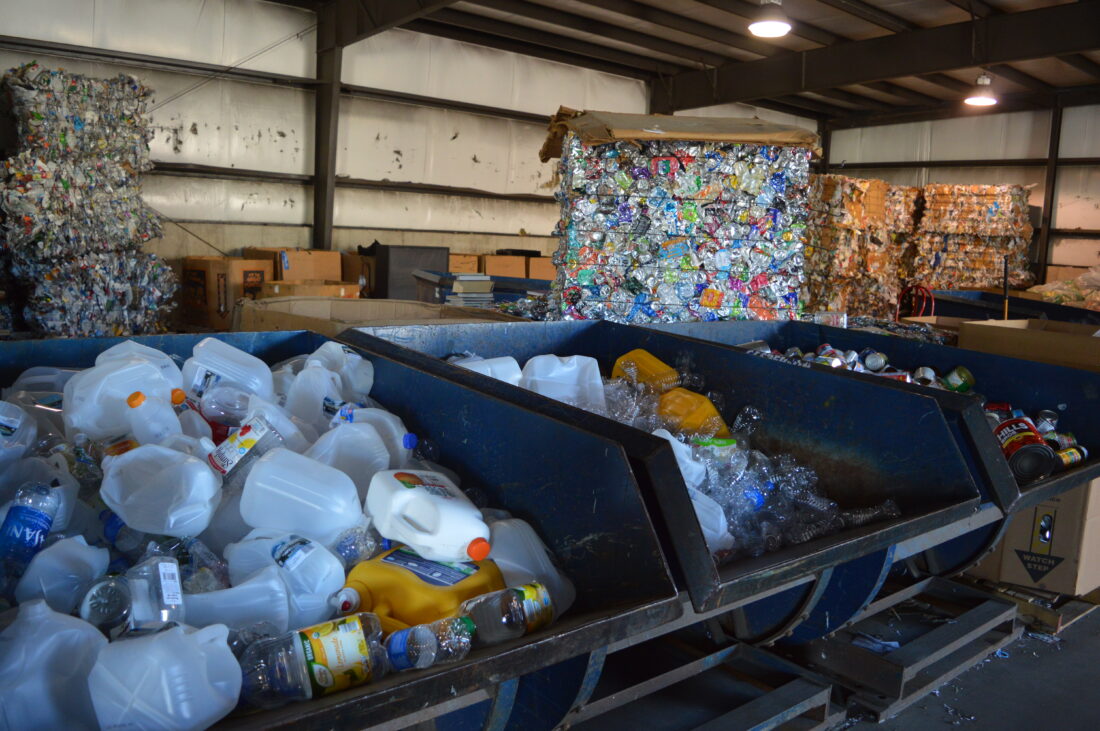
Delta County residents will vote on August 4 to renew a 0.297-mill levy to support the operations of Delta Wide Recycling for the next decade. The millage, which generates approximately $475,000 annually, funds essential services including recycling, composting, and household hazardous waste programs managed by the Delta Solid Waste Management Authority. This vote is critical for the region's waste infrastructure as it seeks to align with Michigan's ambitious goals to increase recycling rates to 45% by 2032.
The proposed 10-year renewal of 0.297 mills is designed to sustain the Delta Wide Recycling center and compost site located at the Delta County Landfill. According to Landfill Administration Manager Terri Rabitoy, the millage currently provides a significant portion of the facility's operating budget, costing the owner of a $100,000 taxable value home about $29.70 per year. If the measure fails, officials warn that waste disposal rates would likely need to increase by at least $10 per ton starting in 2027 just to maintain current service levels, though this hike would not cover any future expansions or facility improvements.
The funding comes at a pivotal time as the Michigan Department of Environment, Great Lakes and Energy (EGLE) aims to raise the state's recycling rate from its current 8% to 45% by 2032. To meet these targets, the Delta Solid Waste Management Authority (DSWMA) is transitioning from a traditional solid waste management plan to a materials management plan in coordination with the Central Upper Peninsula Materials Management Planning Committee. This shift will likely necessitate the establishment of an additional recycling drop-off site within the county to handle projected increases in volume and improve accessibility for residents.
Operational challenges, particularly contamination, remain a primary focus for the authority. Rabitoy reported that last year alone, the facility had to dispose of $7,760 worth of non-recyclable waste—including garbage, clothing, and dead animals—that had been placed in recycling streams. To combat this, the DSWMA plans to invest $55,000 in new roll-off dumpsters and launch a multi-part educational campaign to teach proper recycling techniques. Since its inception in 1992, the recycling program has diverted 57,801 tons of material from the landfill, while the hazardous waste program has kept over 269 tons of dangerous materials out of the waste stream since 1998.
Summary generated by RabbitReport AI from public reporting. The full article and original reporting belong to dailypress.net.