4 Digital Health Projects Transforming Care Delivery
Telehealth utilization has reached a steady state of 6% to 7% for primary care appointments, prompting health systems to launch innovative digital initiatives to expand access. These projects range from subscription-based virtual care models to specialized rural support systems and mobile clinics equipped with remote consultation technology. By integrating AI, data-driven platforms, and physical infrastructure like telehealth booths, these organizations are addressing long-standing barriers to care such as transportation and specialist shortages.
Rush University System for Health has introduced Rush Connect+, a direct-to-consumer membership service priced at $19 per month or $189 annually. This platform provides patients with 24/7 virtual urgent care, free prescription delivery, and access to a human assistant for scheduling and navigation via phone or live chat. Paul Casey, M.D., senior vice president and chief medical officer at Rush, emphasized that the service is designed to be a comprehensive extension of the system’s existing digital-first offerings, providing a concierge-level experience that is deeply integrated into the health system's fabric.
Addressing rural health disparities, University of Utah Health is expanding its TeleNICU services to connect Well Baby Nurseries with neonatologists and perinatal teams across Wyoming, Montana, and Nevada. Similarly, the New Mexico State Library and the University of New Mexico have utilized an $800,000 USDA grant to install sound-dampening telehealth booths in public libraries. These 7-by-7-foot units, costing approximately $12,000 each, provide private spaces equipped with computers and internet for residents who might otherwise face a two-hour drive for in-person medical treatment.
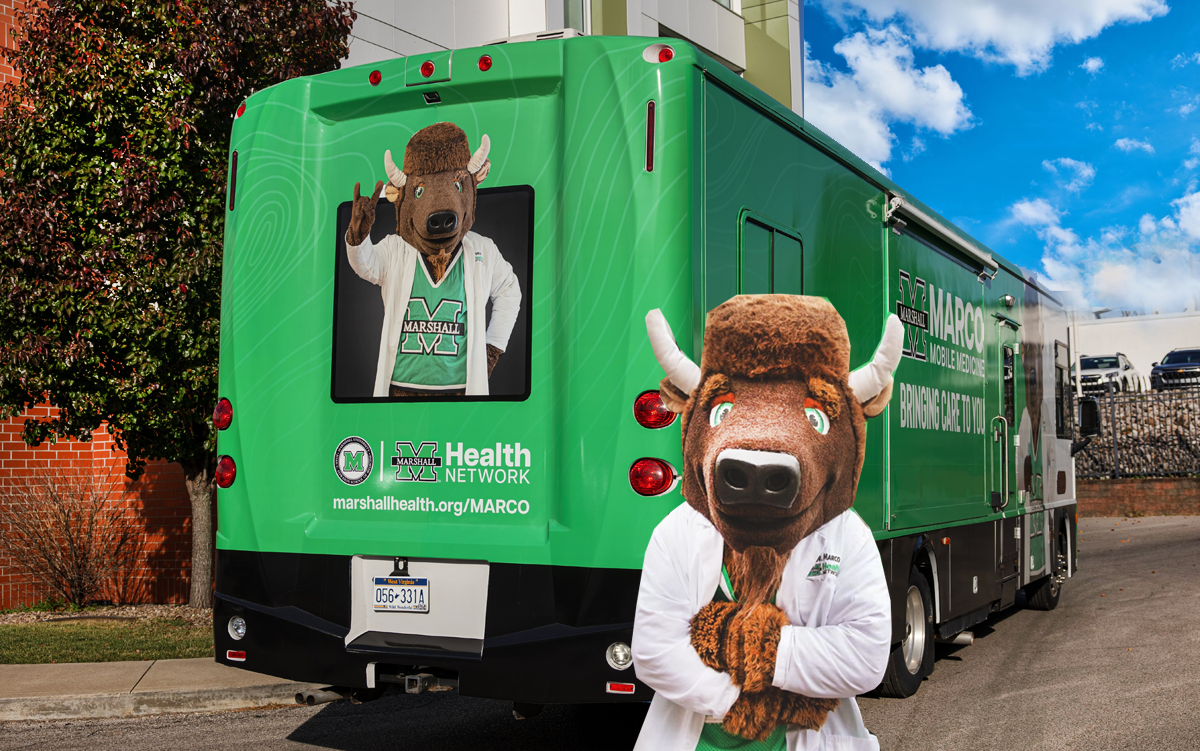
In West Virginia, the Marshall Health Network and the Joan C. Edwards School of Medicine have launched a 38-foot mobile medical unit to serve a 40-county area. The unit features two exam rooms, a blood draw area, and advanced telehealth capabilities to facilitate both virtual and in-person consultations. Marshall Health Network CEO Scott Raynes noted that the initiative aims to improve early detection and chronic disease management by bringing care directly to patients, effectively overcoming the transportation barriers that frequently hinder rural healthcare delivery.
Summary generated by RabbitReport AI from public reporting. The full article and original reporting belong to American Hospital Association.