NEMO and CDEMA Launch High-Frequency Communications Training in St. Vincent and the Grenadines
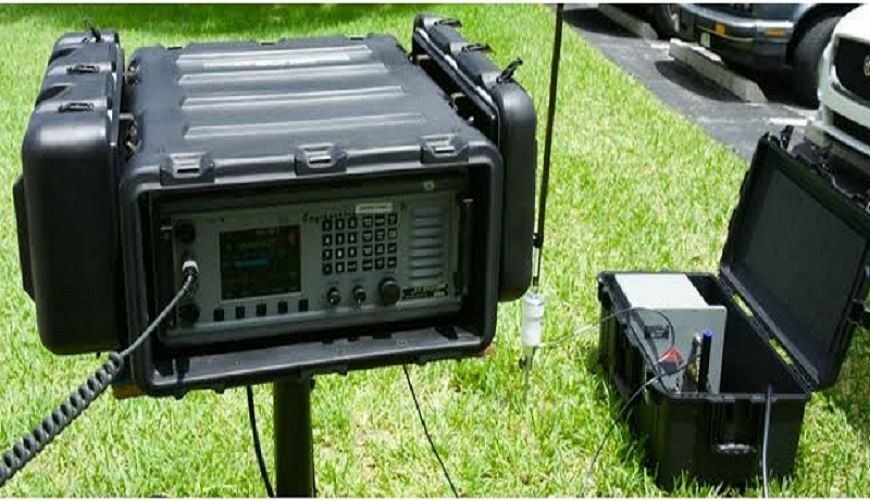
The National Emergency Management Organisation (NEMO) and the Caribbean Disaster Emergency Management Agency (CDEMA) have initiated a five-day training program to upgrade High-Frequency (HF) communications infrastructure. This initiative, funded by the CDEMA BRICS Programme, focuses on installing advanced equipment and certifying trainers to ensure technical expertise within the national emergency framework. For the telecommunications sector, this represents a critical investment in resilient, independent networks that provide a lifeline when conventional cellular and internet services are disrupted by climate-induced hazards.
The five-day Equipment Installation and Training of Trainers (ToT) programme commenced on Monday, June 15, at the Police Training School in Old Montrose. This project is a key component of a regional effort to upgrade High-Frequency (HF) communications for National Disaster Offices (NDOs) across the Caribbean. Funded by the CDEMA BRICS Programme, the initiative aims to establish a robust and independent telecommunications backbone capable of functioning during severe disruptions caused by sudden-onset hazards or climate-induced shocks.
During the training, designated personnel from various local response agencies are receiving intensive instruction on the physical installation of advanced HF communication equipment. The goal is to certify these participants as trainers, creating a sustainable pool of technical expertise within the national emergency management framework. This collaborative approach involves multiple stakeholder organizations and disaster response partners, reflecting an inter-agency commitment to strengthening the emergency telecommunications network across CDEMA Participating States.
NEMO’s Acting Director highlighted that a resilient emergency communications network serves as the foundation for efficient humanitarian response. By providing both physical tools and specialized training, the program aims to reduce communication vulnerabilities in St. Vincent and the Grenadines. The use of high-frequency radio systems is specifically prioritized because these networks remain operational even when traditional cellular infrastructure and internet connectivity fail, ensuring that coordination and communication can continue during a crisis.
The week-long program will conclude on Friday, June 19, 2026, with an official closing ceremony and a live demonstration of the newly installed equipment. This demonstration will showcase the capabilities of the upgraded HF systems to key stakeholders and disaster response partners. This milestone marks a significant step in the broader regional strategy to enhance disaster resilience through modernized telecommunications technology and localized technical capacity.
Summary generated by RabbitReport AI from public reporting. The full article and original reporting belong to St Vincent Times.