Blade Runner 2099 Reveals at Hall H as Synthetic Biology Closes the Gap
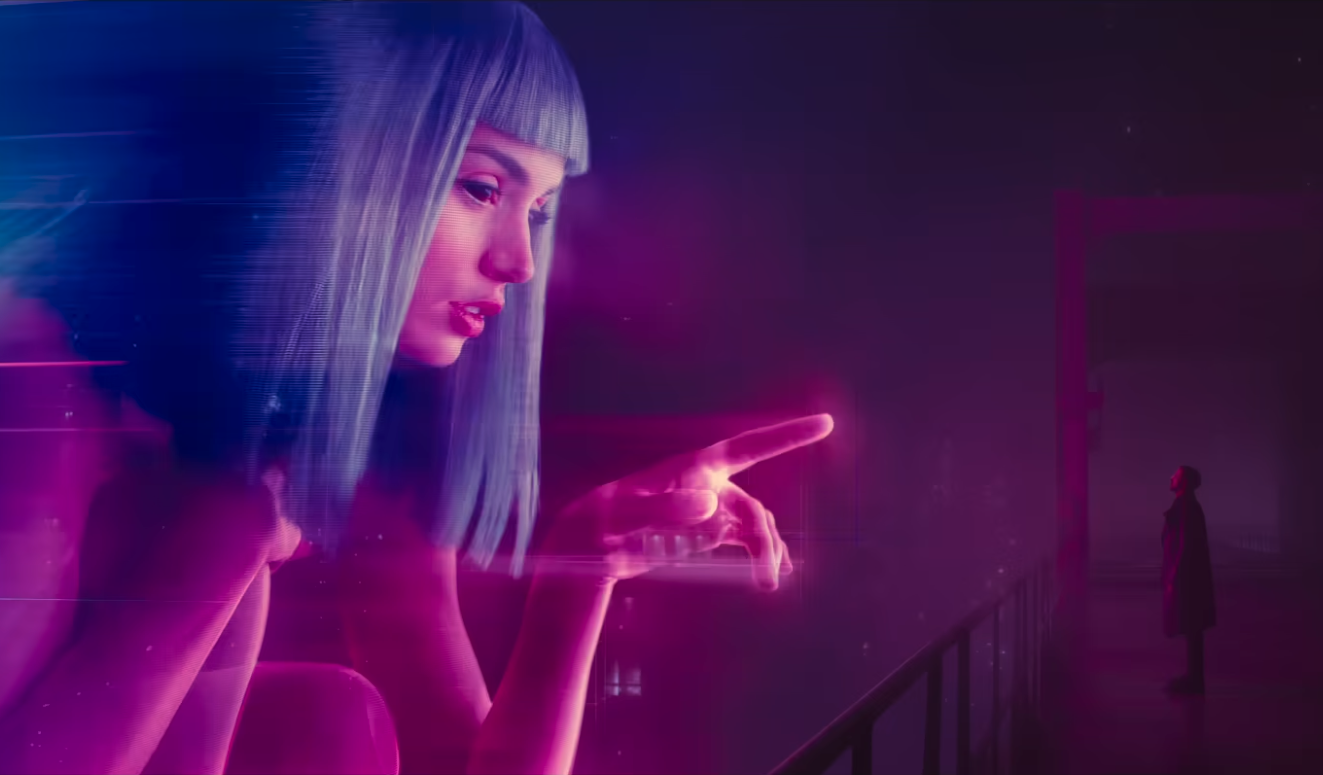
Prime Video has announced that the upcoming series Blade Runner 2099 will make its public debut at San Diego Comic-Con on July 24, 2026, highlighting the franchise's evolving relevance to the synthetic biology sector. As the production moves toward a 2027 premiere, the show’s themes of engineered lifespans and synthetic consciousness are increasingly intersecting with real-world research into telomeres and cellular senescence. This alignment underscores a growing gap in international legislation regarding the legal status and ownership of synthetic biological entities.
Prime Video confirmed that Blade Runner 2099 will feature a 90-minute showcase in Hall H alongside The Lord of the Rings: The Rings of Power. The series, which stars Michelle Yeoh as a Replicant named Olwen and Hunter Schafer as a fugitive named Cora, has been in post-production since December 2024 following an eight-month shoot at Prague’s Barrandov Studio. With an estimated $86 million spent on production in the Czech Republic, the project is led by showrunner Silka Luisa and executive produced by Ridley Scott. The showcase is expected to provide the first public footage of a series that has seen its release window pushed from 2026 to 2027.
The narrative core of the series focuses on biological mechanisms that have transitioned from science fiction to active research programs, specifically designed lifespans controlled at the cellular level. The source notes that the franchise’s engineered end of lifespan mirrors real-world studies of telomeres—DNA tandem repeats that shorten with each cell division. When these reach the Hayflick limit of 40 to 60 divisions, proteins like TRF2 are displaced, triggering cellular senescence. The series explores the implications of a consciousness grown from a genome and memory architectures that can be overwritten, reflecting contemporary advancements in synthetic biology that did not exist during the original film's era.
Beyond the technical science, the series arrives as the synthetic biology industry faces a lack of regulatory framework concerning the ownership of engineered life. Under existing laws, Replicants or similar synthetic entities would likely be classified as patented property rather than self-owning individuals. No Western legislature has yet established protocols for the legal rights of a synthetic mind, a theme the series is expected to highlight. This intersection of entertainment and bioethics serves as a signal to the industry that the theoretical far-future speculation of the 1980s is now a pressing legal and scientific reality.
Summary generated by RabbitReport AI from public reporting. The full article and original reporting belong to Tech Times.