Auxilium Biotechnologies Achieves First-Ever In-Orbit Bioprinting of Kidney and Liver Tissues
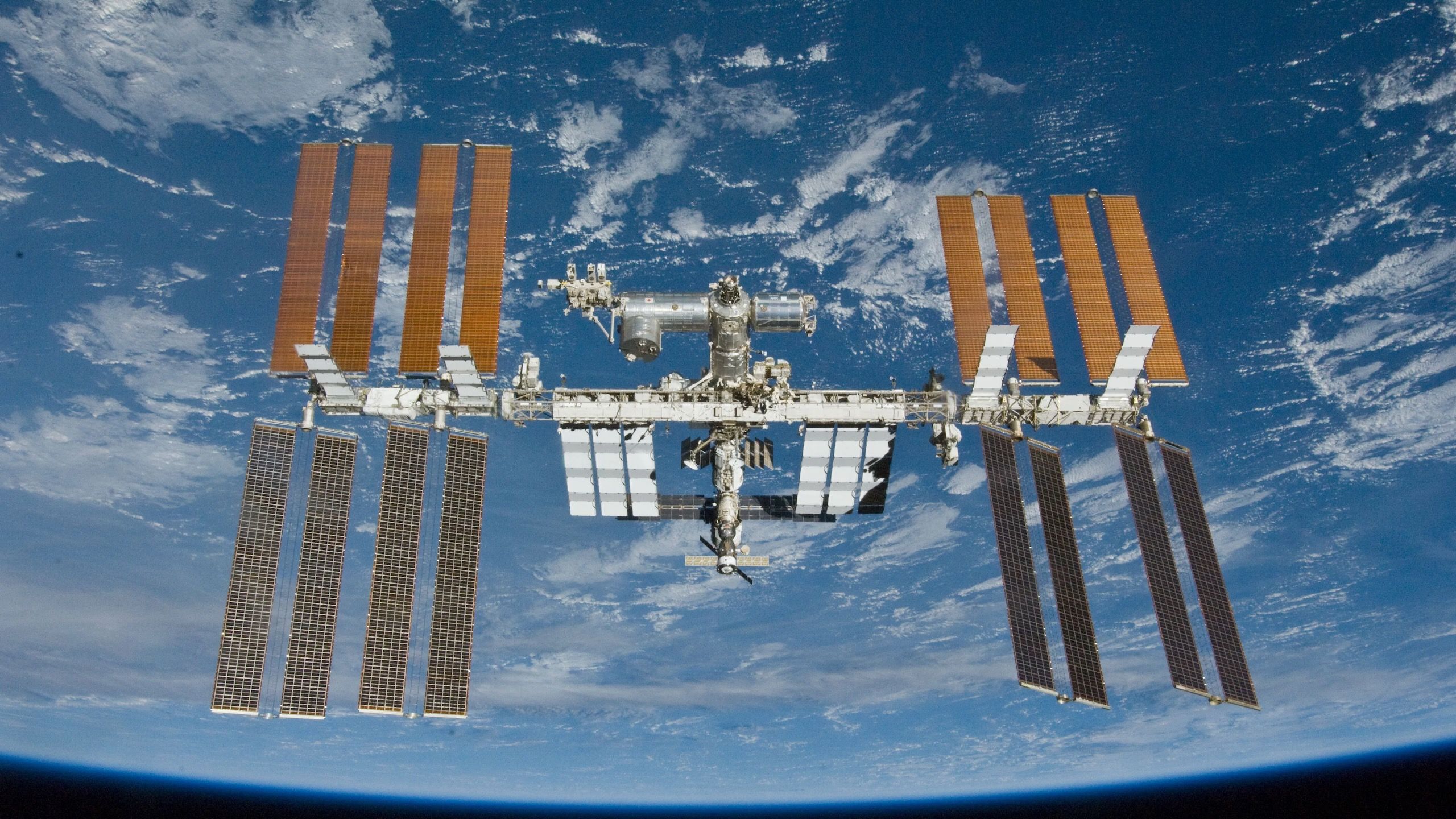
Auxilium Biotechnologies has successfully manufactured kidney and liver tissues aboard the International Space Station, marking a significant milestone in space medicine. This mission represents the first time these specific tissue types have been bioprinted in a microgravity environment. The achievement demonstrates the growing capabilities of off-earth biological manufacturing for potential medical applications both in space and on Earth.
Auxilium Biotechnologies has successfully completed a landmark mission to the International Space Station (ISS), where it bioprinted kidney and liver tissues in microgravity. This event represents the first time in history that either of these specific tissue types has been manufactured off-earth. The mission's success demonstrates a major step forward in the field of space-based biological manufacturing, proving that complex human tissues can be successfully printed in orbit.
Beyond the organ tissues, the mission also achieved the first-ever simultaneous bioprinting of medical implants and biological tissues during a single spaceflight. One of the key outputs of this mission was a nerve repair implant, which was manufactured alongside the liver and kidney tissues. This multi-purpose production capability indicates a significant advancement in the efficiency of space medicine technology, allowing for diverse medical needs to be addressed in a single mission profile.
The successful manufacturing of these biological components on the ISS provides a new proof of concept for the space technology and medical sectors. By producing both medical implants and complex tissues like the liver and kidney, Auxilium Biotechnologies has established a new precedent for what can be achieved in orbital laboratories. This breakthrough is expected to influence future research into space medicine and the development of biological manufacturing platforms designed for use in microgravity environments.
Summary generated by RabbitReport AI from public reporting. The full article and original reporting belong to Space.