Harvard Researchers Set New Benchmark for Parallel DNA Synthesis on Semiconductor Chips
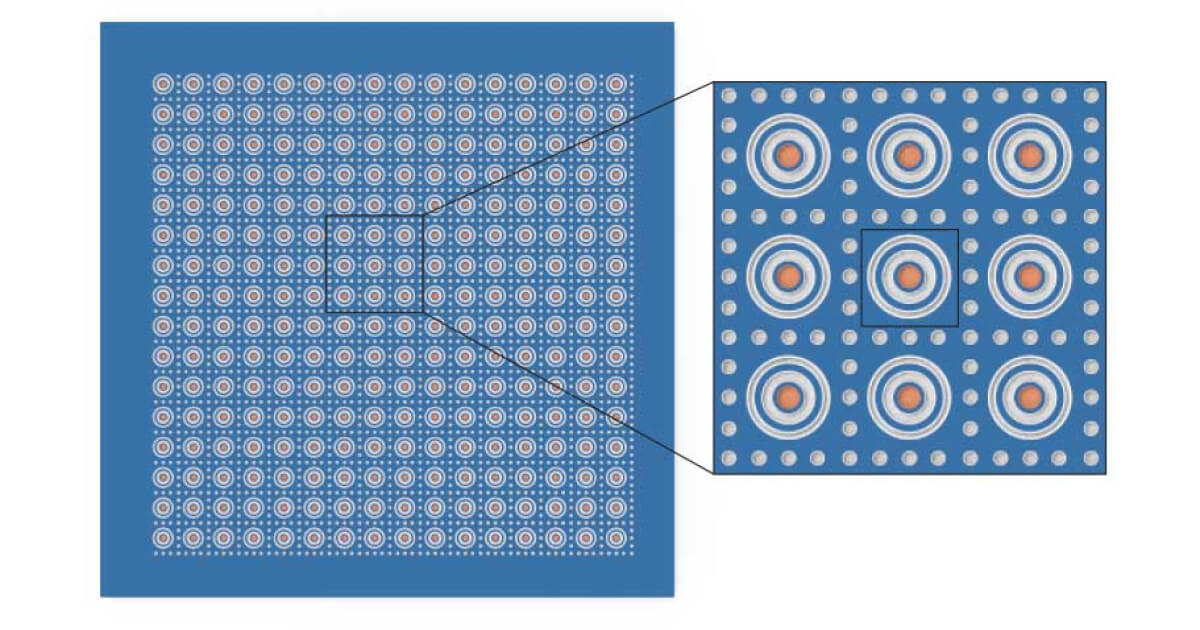
A Harvard-led research team has successfully synthesized 64 distinct DNA sequences in parallel using a specialized semiconductor chip, marking a significant advancement in bio-integrated electronics. Unlike traditional methods that rely on hazardous organic solvents, this approach utilizes a water-based enzymatic process controlled by precise electrochemical currents on the chip's surface. This development represents a critical step toward scaling DNA manufacturing for applications in synthetic biology, diagnostics, and long-term data storage while reducing the environmental footprint of semiconductor-driven biotechnology.
The research, published in Nature Electronics and led by Professor Donhee Ham of Harvard’s John A. Paulson School of Engineering and Applied Sciences (SEAS), utilized a silicon chip to orchestrate the parallel synthesis of 64 DNA sequences, each up to 39 nucleotides long. This achievement surpasses the previous benchmark for enzymatic synthesis, which was limited to approximately a dozen sequences at a time. The platform leverages the precision of silicon electronics to trigger local reactions at specific sites through finely controlled electric currents. Each of the 64 synthesis sites features two concentric ring electrodes; the inner ring generates protons to lower the pH and trigger deprotection, while the outer ring consumes diffusing protons to prevent the reaction from spreading to adjacent sites.
The underlying silicon electronic backbone was originally designed in Ham’s lab by Jeffrey Abbott for population-scale intracellular neuronal recording. By repurposing the surface electrodes from recording thousands of neurons to managing molecular synthesis, the team demonstrated the versatility of semiconductor platforms in manipulating biology at scale. Traditional DNA manufacturing currently relies on phosphoramidite chemistry, which, while capable of producing millions of sequences, requires centralized facilities and hazardous chemicals. The transition to a water-based enzymatic route on-chip could eventually support smaller, safer, and more accessible DNA-writing instruments, potentially decentralizing the production of synthetic DNA for genome engineering and cancer research.
Beyond immediate biological applications, the researchers demonstrated the technology's potential for DNA-based data storage by encoding a 169-byte text within the synthesized sequences. However, the study also identified a critical bottleneck for further scaling: while the chip's electronics successfully localized pH levels, the deprotection chemistry itself proved to be the limiting factor. At higher densities, intermediate molecules generated during the deprotection step drifted to neighboring sites, causing cross-contamination. The team, which included collaborators from the Broad Institute and DNA Script, concluded that the next major challenge for the semiconductor-bio interface is developing more direct acid-driven chemistry that can keep pace with the chip's electronic capabilities.
Summary generated by RabbitReport AI from public reporting. The full article and original reporting belong to Harvard School of Engineering and Applied Sciences.