SaaS As We Know It Is Dead: How To Survive The SaaS-pocalypse!
A massive market sell-off in early February 2026 erased over $1 trillion in market capitalization from software stocks as investors reacted to the rapid advancement of AI agents. The downturn reflects growing fears that traditional SaaS business models, particularly per-seat pricing and complex application workflows, are being rendered obsolete by AI-native alternatives. Despite the volatility, Forrester reports that global SaaS spending is still projected to grow significantly through 2029, suggesting that while the delivery model is transforming, the enterprise core remains essential.
In the first week of February 2026, the software sector experienced a historic contraction, losing more than $1 trillion in market value within seven days. This "SaaS-pocalypse" was driven by investor anxiety that AI agents will bypass traditional software interfaces and that "vibe coding" will allow new startups to easily replicate the features of established platforms. Specifically, the market is questioning the viability of the per-seat revenue model and the long-term defensibility of complex SaaS moats in an era where AI-native companies promise to resolve the friction of application sprawl.
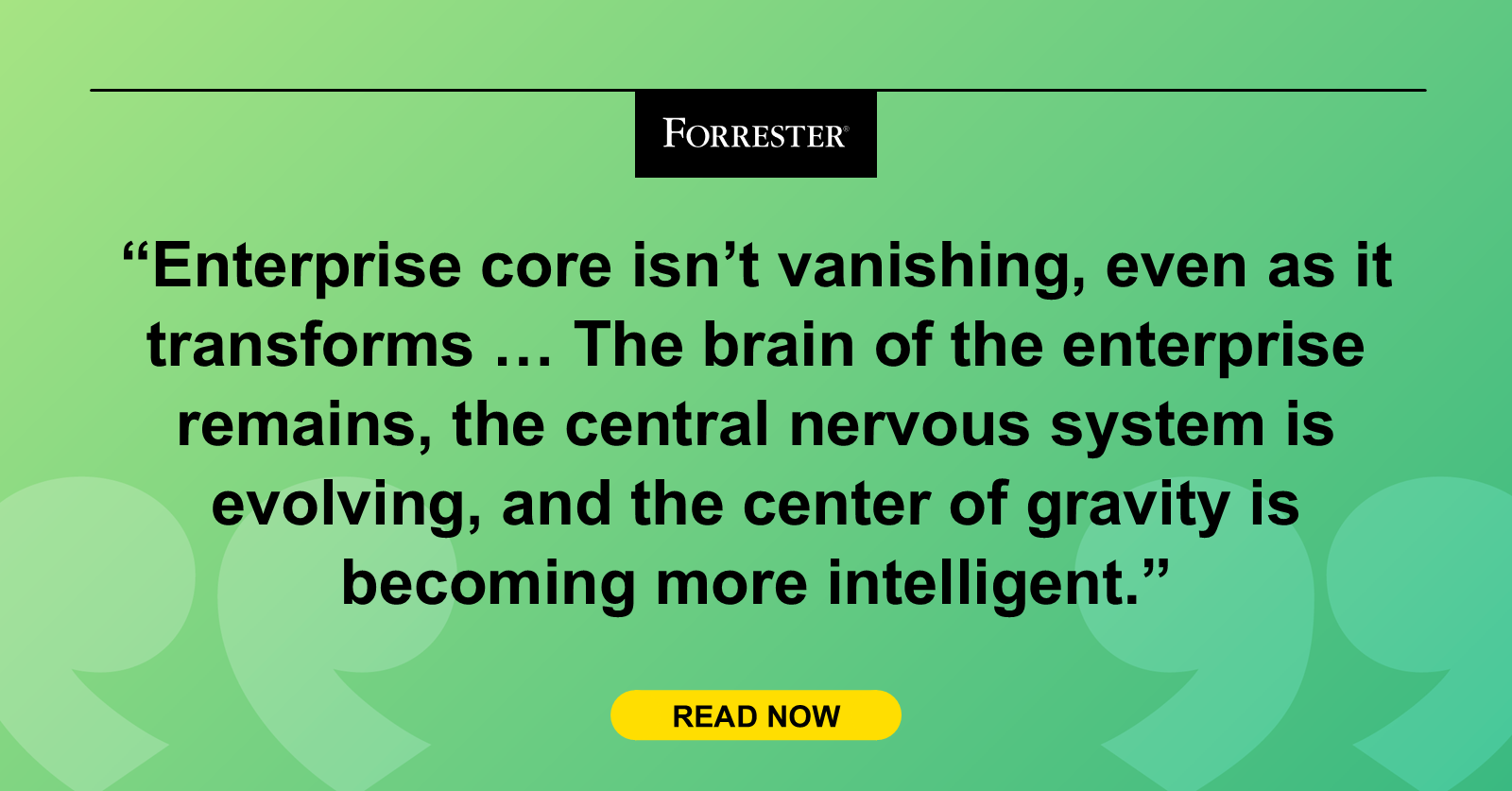
Despite the aggressive sell-off, Forrester argues that the "death of SaaS" narrative is overstated, noting that enterprise core operations like CRM, ERP, and HCM still rely heavily on these platforms. Data suggests that global SaaS spending is actually on an upward trajectory, expected to rise from $318 billion in 2025 to $512 billion by 2028, eventually reaching $576 billion in 2029. This growth indicates that while the "central nervous system" of the enterprise is becoming more intelligent, the fundamental need for core software capabilities remains a multi-hundred-billion-dollar reality.
Forrester advises enterprises not to rush into purchasing new AI tools but to focus on rearchitecting existing investments to survive the transition. The shift from traditional SaaS to an AI-first environment requires a reevaluation of both economic and operational relationships between vendors and customers. By optimizing contracts and focusing on how AI agents can integrate with the enterprise core, companies can navigate the transformation of their software stacks without abandoning the essential workflows that drive front-, middle-, and back-office functions.
Summary generated by RabbitReport AI from public reporting. The full article and original reporting belong to Forrester.