Michigan Technological University Expands as a Multidisciplinary Hub for Robotics and Automation Innovation
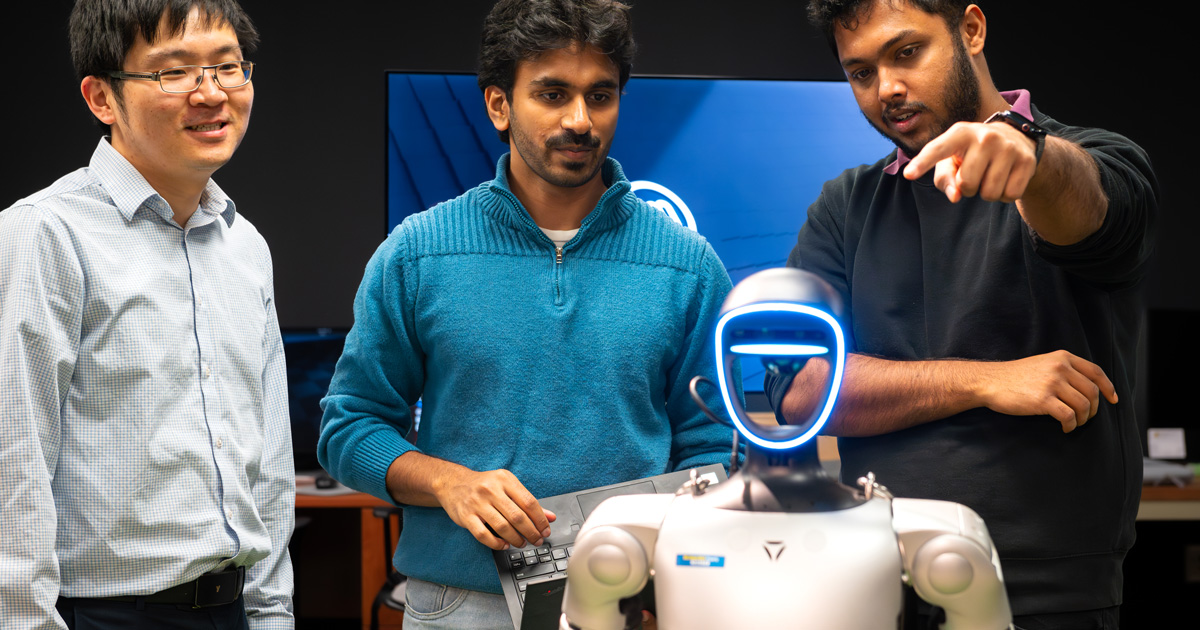
Michigan Technological University is positioning itself as a central hub for robotics and automation through a multidisciplinary approach that integrates engineering and computing. With over 15,000 square feet of dedicated laboratory space and nearly 20 research groups, the institution is addressing the evolving needs of the autonomous machinery industry. This expansion focuses on bridging the gap between early STEM education and professional industrial robotics roles to foster a new generation of technical experts.
Michigan Technological University (MTU) has established a comprehensive ecosystem for robotics education and research, featuring 15,465 square feet of dedicated laboratory space. The university offers nine undergraduate majors related to the field and supports nearly 20 research groups and facilities focused on advancing autonomous systems. By integrating the Department of Electrical and Computer Engineering with the College of Computing, MTU emphasizes a holistic approach to robotics engineering, combining mechanical, electrical, and computational systems to solve real-world challenges in autonomous machinery.
The university highlights the importance of the talent pipeline, specifically through the FIRST Robotics program, which serves as a foundation for future engineers. Alumnus Edwin Yazbec, now a project engineer at Variation Reduction Solutions Inc. (VRSI), exemplifies this trajectory, moving from high school robotics to MTU’s accelerated master’s program in mechatronics. Yazbec notes that the multidisciplinary skills acquired at MTU—spanning mechanical engineering, mechatronics, and programming—are essential for modern industrial robotics roles, where a broad range of technical tools is a prerequisite for success.
Michelle Scherer, dean of the College of Engineering, describes MTU’s environment as a cross-campus community that builds upon the curiosity sparked by youth programs like FIRST. The curriculum is designed around discovery-based learning and the engineering design process, allowing students to specialize in areas such as industrial control, automation, and robotic components. This strategic focus ensures that graduates are prepared for roles in diverse sectors, including manufacturing and defense, while contributing to the rapid evolution of the robotics and automation industry.
Summary generated by RabbitReport AI from public reporting. The full article and original reporting belong to Michigan Technological University.