San Francisco Real Estate Buyers Purchase Submerged Lots for Under $1,000
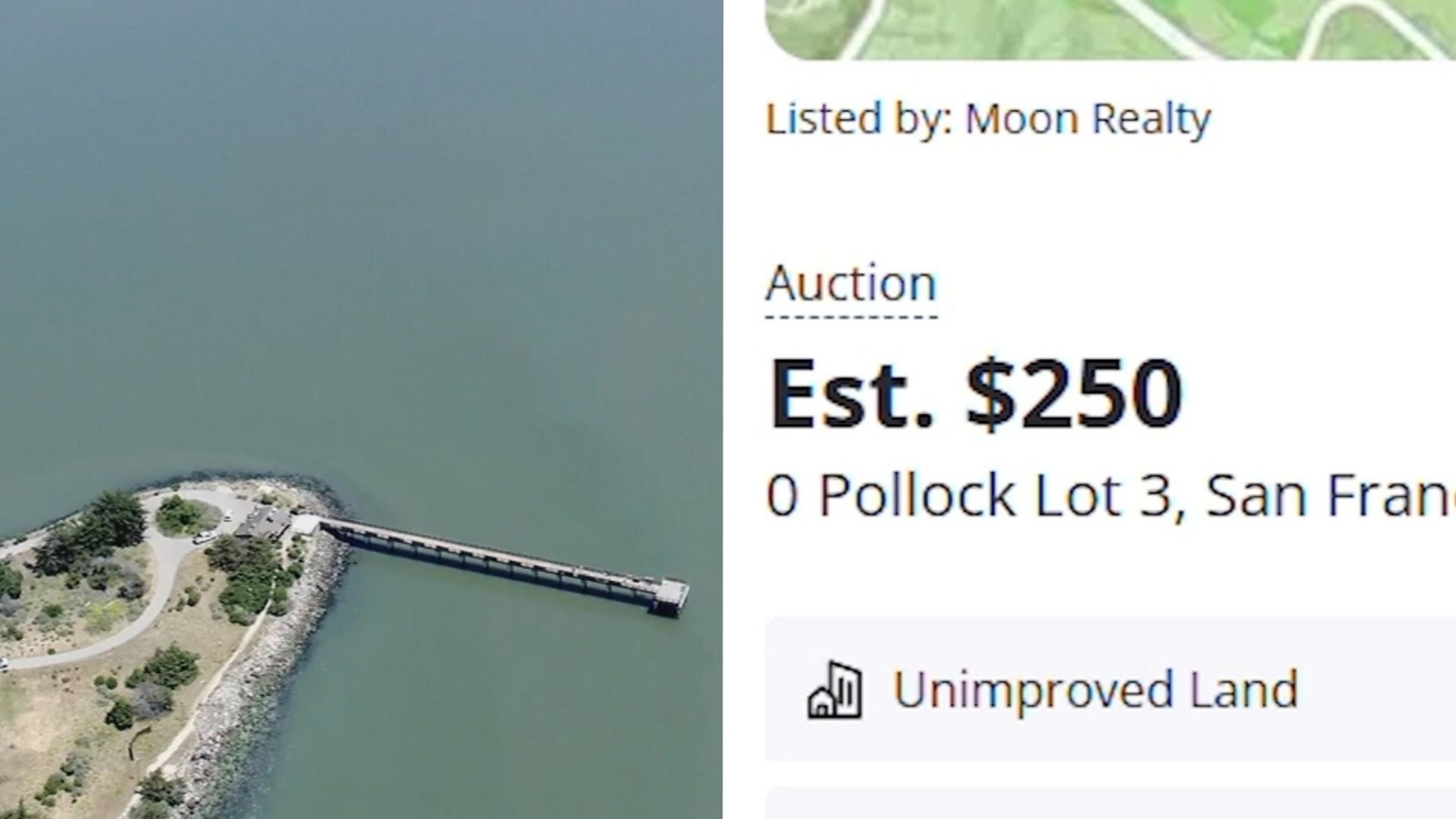
Several underwater parcels in San Francisco, including a 5,000-square-foot lot near Candlestick Point, recently sold at auction for prices as low as $250. These transactions highlight the extreme speculative nature of the city's high-priced real estate market where land scarcity drives unconventional investment strategies. While the properties are currently submerged, buyers are gambling on future development possibilities such as floating homes or land reclamation despite significant environmental and regulatory hurdles.
Recent auctions in San Francisco have seen several underwater lots sold for remarkably low prices, with one 5,000-square-foot parcel near Candlestick Point going for just $250. These sales underscore the speculative fever in a real estate market where traditional housing supply is severely limited and prices for standard homes routinely reach millions of dollars. While some residents view the purchase of submerged land as impractical given rising sea levels, the low entry cost has attracted investors willing to take a high-risk gamble on the city's scarce footprint.
Historian Chris Carlsson, author of "Hidden San Francisco," notes that while large portions of the city were historically created by filling in water, such practices are unlikely to be repeated today. He points out that legal and environmental barriers have become significantly more stringent, making land reclamation a "not going to happen" scenario in the modern era. Despite these obstacles, the market continues to see interest in these parcels, following a similar trend in 2021 when a realtor purchased underwater lots with visions of future development.
Looking toward alternative solutions, Dr. Koen Olthuis, CEO of the Netherlands-based firm Waterstudio, suggests that these submerged locations could eventually support floating foundations. Olthuis argues that in protected areas like the San Francisco Bay, it is technically possible to place units on top of floating structures, providing a creative approach to the housing crisis. However, he emphasizes that any such development would face massive challenges regarding permitting and regulatory approval.
The sale of these bargain lots reflects the broader desperation and creativity within the San Francisco property sector. While critics like former resident Sam Mitchell describe the investments as risky due to climate change and rising tides, the transactions prove that some buyers are still betting on long-term technological or legal shifts. Ultimately, these underwater acquisitions serve as a stark reminder of the extremes found in one of the world's most expensive and constrained real estate markets.
Summary generated by RabbitReport AI from public reporting. The full article and original reporting belong to ABC7 Bay Area.