Cleveland Clinic and IBM Forum Highlights Advancements in AI and Quantum Computing for Healthcare Research
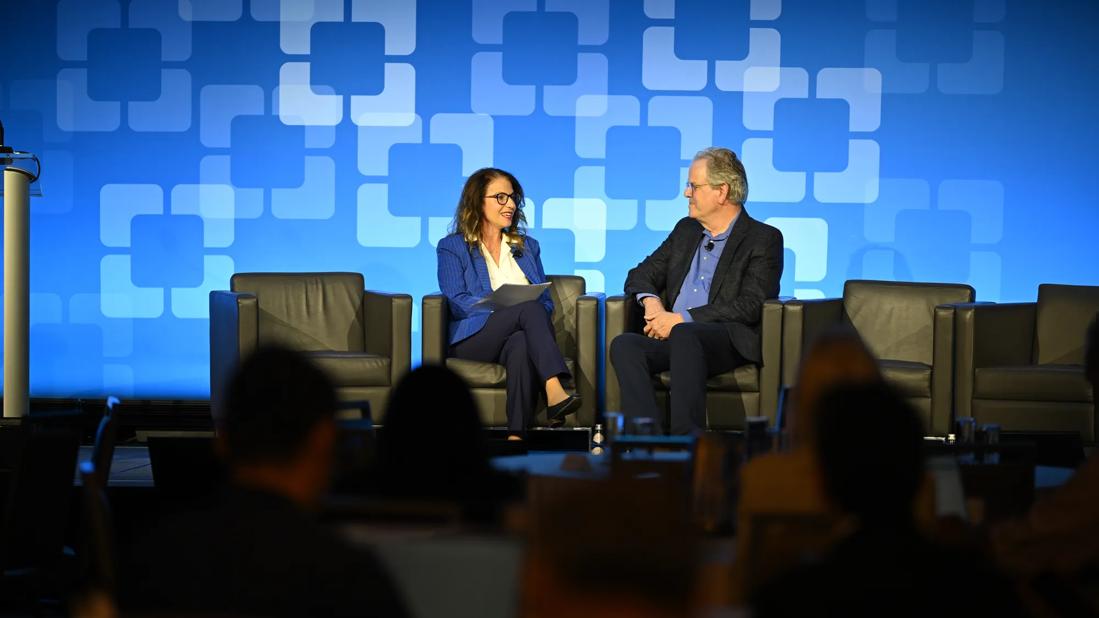
The third annual Cleveland Discovery and Innovation Forum, hosted by Cleveland Clinic and IBM, showcased significant progress in integrating quantum computing and AI into healthcare and life sciences research. The event brought together global leaders to discuss how advanced computational methods are accelerating medical discovery, from disease prevention to personalized therapy. This collaboration marks a critical milestone for the quantum sector as it demonstrates the technology's practical utility in solving complex biological challenges and building a specialized workforce for the future.
The forum celebrated five years of the Cleveland Clinic and IBM Discovery Accelerator, a strategic partnership designed to expedite biomedical research through high-performance computing, AI, and quantum technologies. Since its inception, the initiative has supported over 50 projects and produced numerous peer-reviewed publications, while also establishing an educational curriculum to train the next generation of researchers. Alessandro Curioni, Ph.D., IBM Fellow and Vice President of Algorithms and Applications, emphasized that the collaboration is successfully modeling molecular interactions and refining machine learning for personalized care, pushing the boundaries of what is achievable in life sciences.
A primary highlight of the forum was the showcase of a project that modeled a protein structure containing more than 12,000 atoms. This achievement represents the largest protein structure known to be simulated on a quantum computer to date, serving as a powerful proof of concept for quantum hardware as a scientific tool. Researchers noted that these simulations are vital for solving fundamental problems in chemistry and biology that are currently beyond the reach of classical computing. Lara Jehi, M.D., Cleveland Clinic’s Chief Research Information Officer, stated that these advancements are helping to define how quantum computing can unlock scientific insights across every stage of disease management.
The one-day event featured more than 30 speakers from diverse sectors, including Pfizer’s Percy Carter, NVIDIA co-founder Curtis Priem, and representatives from MIT and the University of Oxford. Discussions centered on building a world-class research ecosystem, specifically focusing on the development of the Ohio Discovery Corridor through the Cleveland Innovation District. By integrating quantum applications into clinical settings, the participants aim to realize the potential of personalized therapy and establish a robust infrastructure for advanced computational healthcare. This effort underscores the growing importance of cross-industry collaboration in transitioning quantum technology from theoretical research to practical, life-saving applications.
Summary generated by RabbitReport AI from public reporting. The full article and original reporting belong to Cleveland Clinic Newsroom.