UK-Registered Firms Linked to Payments for Small Boat Crossings, BBC Finds
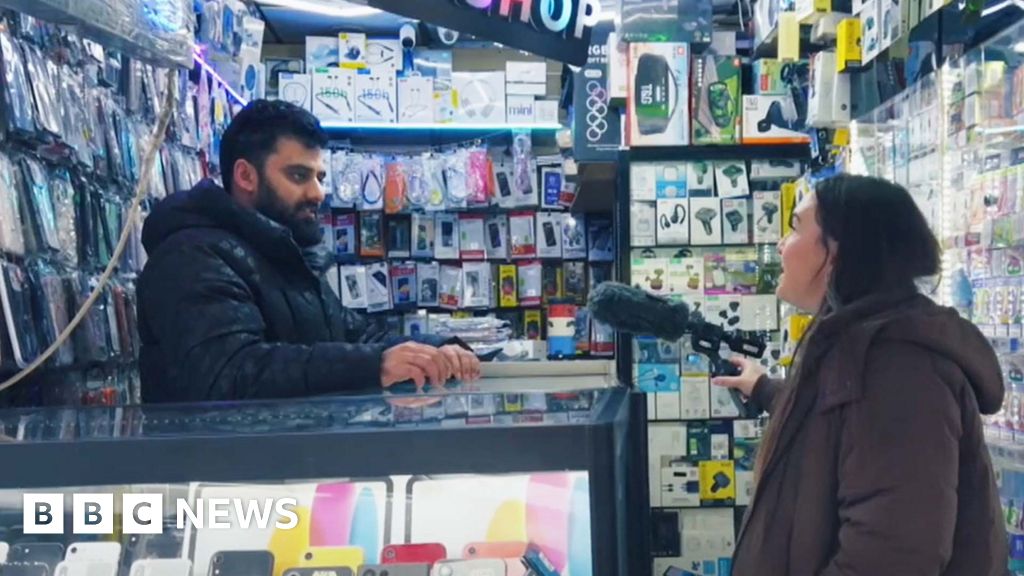
A BBC investigation has revealed that people smugglers are utilizing a network of UK-registered businesses, including a mobile phone shop, a car wash, and a wholesale firm, to facilitate payments for illegal Channel crossings. These businesses reportedly act as informal escrow services, holding funds in UK bank accounts or as cash until migrants successfully reach British shores. This development highlights significant vulnerabilities in the UK’s financial regulatory framework and poses a direct challenge to government efforts to dismantle the financial infrastructure of human smuggling syndicates.
The investigation uncovered that smugglers are directing migrants to deposit funds—often around £3,000—with UK-based entities such as Afg Mobile Repair in Woolwich, a wholesale business in Newcastle upon Tyne, and a car wash in Cambridgeshire. Undercover filming captured shop staff explaining that money would only be released to smugglers once a crossing was confirmed, effectively operating an illicit payment gateway. While some transactions involve physical cash deposits, others utilize electronic transfers to the bank accounts of these registered companies, a method that experts from the Royal United Services Institute (RUSI) describe as a brazen shift toward using legitimate business infrastructures.
Beyond the UK, the smuggling network extends to mainland Europe, involving businesses like a car wash in Antwerp and a restaurant in Paris to process payments. Smugglers such as Ahmad, an Afghan national operating from northern France, provided bank details for multiple UK firms and individuals to facilitate these transactions. This decentralized network allows smuggling operations to bypass traditional financial monitoring, as funds are often moved through informal channels or transferred abroad before authorities can intervene.
The findings underscore the difficulties faced by the National Crime Agency (NCA) and the Crown Prosecution Service (CPS) in recovering illicit proceeds. Since 2020, although courts identified over £16 million in criminal benefit from 45 convicted smugglers, authorities have recovered only 10% of that money, with confiscation orders totaling just £2.9 million. Much of the profit is rapidly transferred to home countries, such as Iraq, leaving few domestic assets for seizure. This gap between criminal earnings and asset recovery raises urgent questions for the payments sector regarding the effectiveness of Anti-Money Laundering (AML) and Know Your Customer (KYC) protocols for small-to-medium enterprises.
Summary generated by RabbitReport AI from public reporting. The full article and original reporting belong to BBC.