Hormuz is Iran’s ultimate bargaining chip
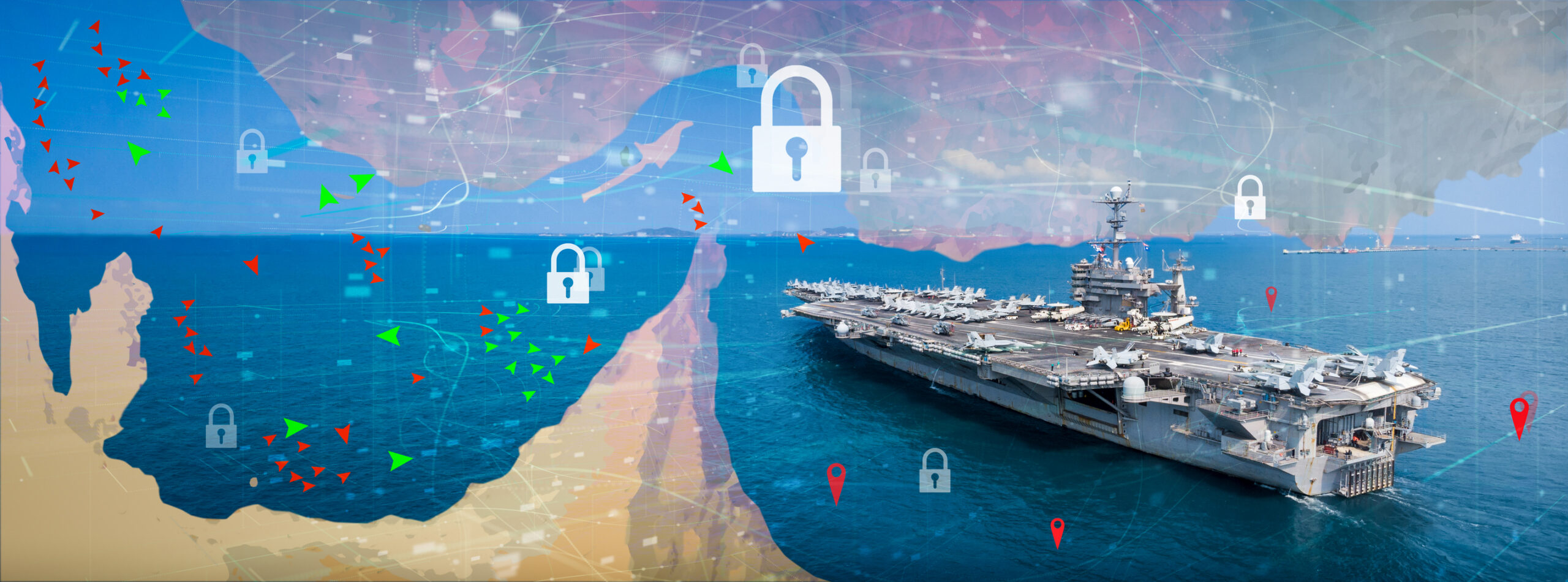
The Strait of Hormuz remains the world’s most critical oil chokepoint, facilitating approximately 20% of global oil trade and a substantial portion of liquefied natural gas exports. Recent geopolitical tensions have highlighted Iran's strategy to leverage its influence over the waterway to secure concessions in international negotiations, particularly regarding maritime authority and transit fees. For the global oil and gas sector, this ongoing instability underscores the vulnerability of supply chains and is driving a shift toward geographic diversification and alternative energy infrastructure.
Iran views the Strait of Hormuz as its primary geopolitical asset, asserting that any long-term regional agreement must recognize Tehran’s authority to regulate maritime traffic and potentially collect transit fees. While the United States and its allies maintain that the strait is an international waterway governed by maritime law, Iran uses its position to exert influence that sanctions cannot reach. This leverage is amplified by the dependency of major economies; China, Japan, South Korea, and India rely heavily on crude passing through the strait, while Europe has become increasingly dependent on Qatari LNG cargoes that must transit the same narrow passage.
Recent conflicts in the region have demonstrated the immediate volatility triggered by threats to the strait's security. Markets responded with a sharp decline in shipping traffic and a significant rise in war-risk insurance premiums and freight rates, which in turn added a geopolitical premium to oil and LNG prices. Beyond physical supply disruptions, the uncertainty surrounding delivery schedules and transportation costs has altered global trading patterns and widened regional price spreads. These factors directly impact inflation expectations and economic growth, as hydrocarbons remain essential for power generation, manufacturing, and the burgeoning energy needs of artificial intelligence and data centers.
In response to the persistent risk of disruption, energy companies and governments are re-evaluating their investment strategies to reduce dependence on the Gulf corridor. This shift includes the expansion of strategic petroleum reserves, the diversification of LNG supply sources, and the development of alternative pipeline routes that bypass the chokepoint. Ironically, Iran’s insistence on controlling the strait may be accelerating global investment in competing production basins and export terminals outside the region. As the industry seeks greater flexibility, the strategic importance of producers in other geographies is rising, mirroring historical market adaptations seen after the Suez Crisis and European gas disruptions.
Summary generated by RabbitReport AI from public reporting. The full article and original reporting belong to Oil & Gas 360.