Tech for Social Impact Partners Students with Nonprofits to Bridge Technology Funding Gaps
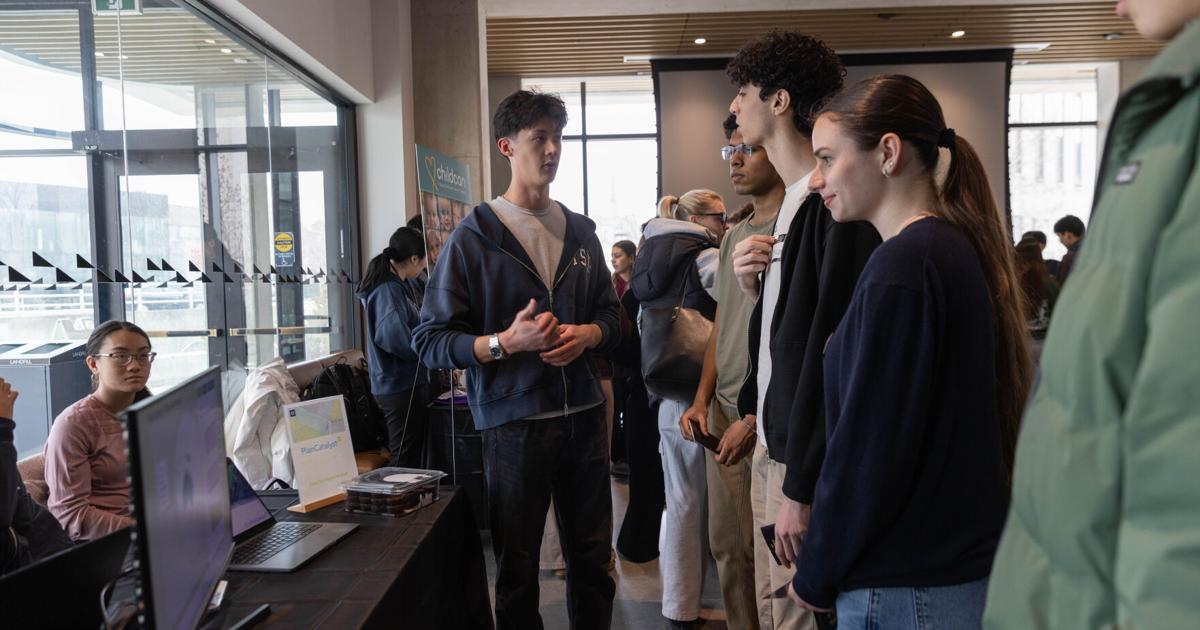
Student-led organization Tech for Social Impact (TSI) recently hosted its Genesis showcase to demonstrate technological tools developed in collaboration with various nonprofit organizations across North America. By providing pro bono technical support, the initiative addresses a critical funding gap that often prevents social impact organizations from modernizing their services or building custom software. These projects aim to improve accessibility and streamline operations for groups ranging from local healthcare support services to international humanitarian agencies.
Founded by software engineering student David Liu, Tech for Social Impact (TSI) connects student teams with established nonprofits to address specific technological needs that these organizations often cannot afford to outsource. During the Genesis showcase held on March 24, 2026, at the Morisette Institute for Entrepreneurship, the club presented several high-impact projects designed to benefit social communities. Liu emphasized that while many tech firms prioritize profit, TSI focuses on "purposeful tech" that provides tangible benefits to the nonprofit sector, such as a synthesizing software developed for Plan International’s multi-national accounts.
One significant collaboration featured at the event involved the International Rescue Committee (IRC), where student Andres Pedreros Castro and his team developed interactive resource maps and a data harmonizer. This tool provides refugees and newcomers with directions to free supplies and essential services in 50 different languages and is currently being utilized across 30 countries. Castro noted that while the IRC identified these technological needs, they lacked the necessary funding to bring the projects to life, highlighting the role of student-led initiatives in filling resource gaps for global humanitarian efforts.
Other projects focused on local community support and healthcare accessibility, including a website redesign for Childcan, an organization assisting families of children with cancer. Student David Yu explained that the new site was built to increase accessibility, ensuring that families can more easily find the support they need during medical crises. Looking forward, Liu expressed intentions to expand the TSI model by opening multiple chapters across Canada to help more nonprofits overcome the financial barriers that frequently cause them to fall behind in technological adoption.
Summary generated by RabbitReport AI from public reporting. The full article and original reporting belong to westerngazette.ca.