Studying Human-Robot Interaction, CWRU Researcher Explores Tech-Enabled Mental Health Support
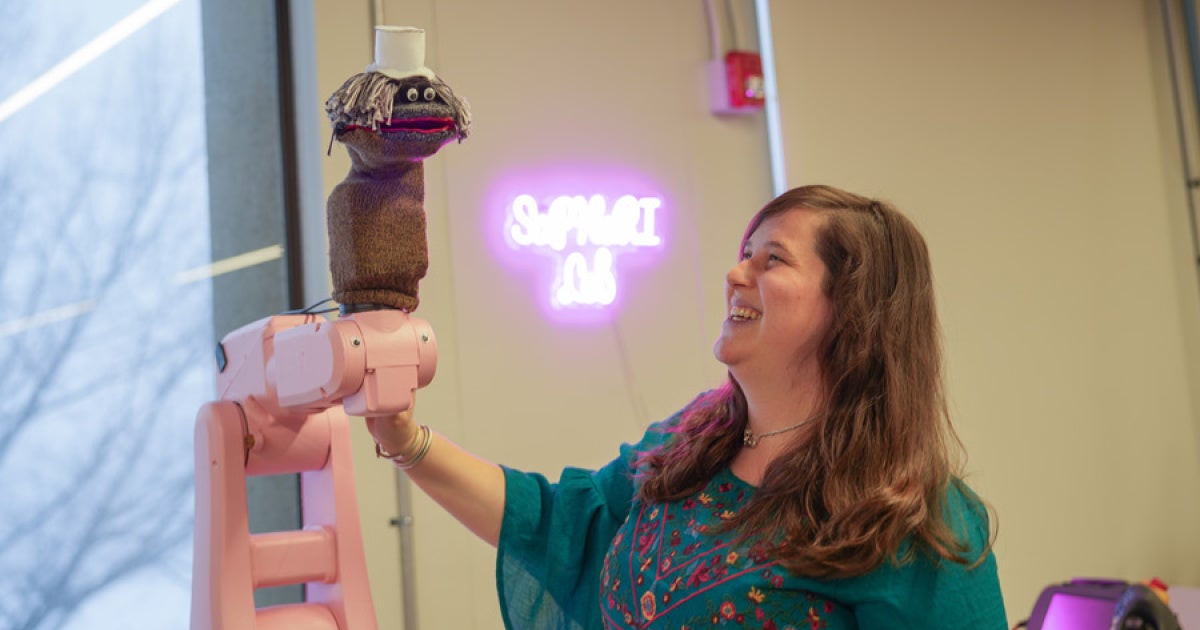
Dr. Alexis E. Block at Case Western Reserve University is leading research into how robotics and wearable technology can provide empathetic, emotionally intelligent support for mental health challenges. Through the Social and Physical Human-Robot interaction (SaPHaRI) Lab, the team is developing interactive systems like hugging robots and the AstroPsych platform to bridge gaps in care caused by physical distance or communication delays. This work is significant for the mental health technology sector as it explores the integration of haptic perception and neural engineering to supplement human therapy and increase accessibility for underserved populations.
Dr. Alexis E. Block, an assistant professor at the Case School of Engineering, has established the SaPHaRI Lab within the Human Fusions Institute (HFI) to explore the intersection of robotics and emotional well-being. Block’s foundational work includes the development of the first human-sized interactive hugging robot equipped with both visual and haptic perception, designed to provide physical comfort and address the need for emotional support. The lab’s broader mission involves creating wearable devices that allow users to communicate emotional states and designing robots capable of providing mental health support in environments where human intervention is limited or delayed.
A primary project, AstroPsych, specifically targets the mental health needs of astronauts who face communication delays of up to 20 minutes when traveling far from Earth. By providing timely, temporary care, these robotic frameworks aim to support users until a human therapist is available, a model that also has applications for people on Earth facing real or perceived barriers to traditional care. Additionally, the lab is developing the Robotic System for Optimized Adaptive inteRaction (RoboSOAR), which investigates how a robot’s initial greeting and movements influence human perception and the potential for long-term bonding, ensuring that technical interactions do not startle or alienate the user.
The research emphasizes that technology should supplement rather than replace human therapists, maintaining professional oversight while lowering barriers to access. Graduate student Austin Wilson is currently developing a robot behavioral model to facilitate this "human-in-the-loop" approach for communication-limited environments. By fostering a multidisciplinary environment at HFI, Block and her team of over twenty researchers aim to ensure that advanced technology remains ethical and centered on human needs, ultimately training a new generation of engineers to prioritize empathy and human-technology integration in the service of mental health.
Summary generated by RabbitReport AI from public reporting. The full article and original reporting belong to Case Western Reserve University.