New Zealand Wearable Drug Platform Targets US Market Opportunity
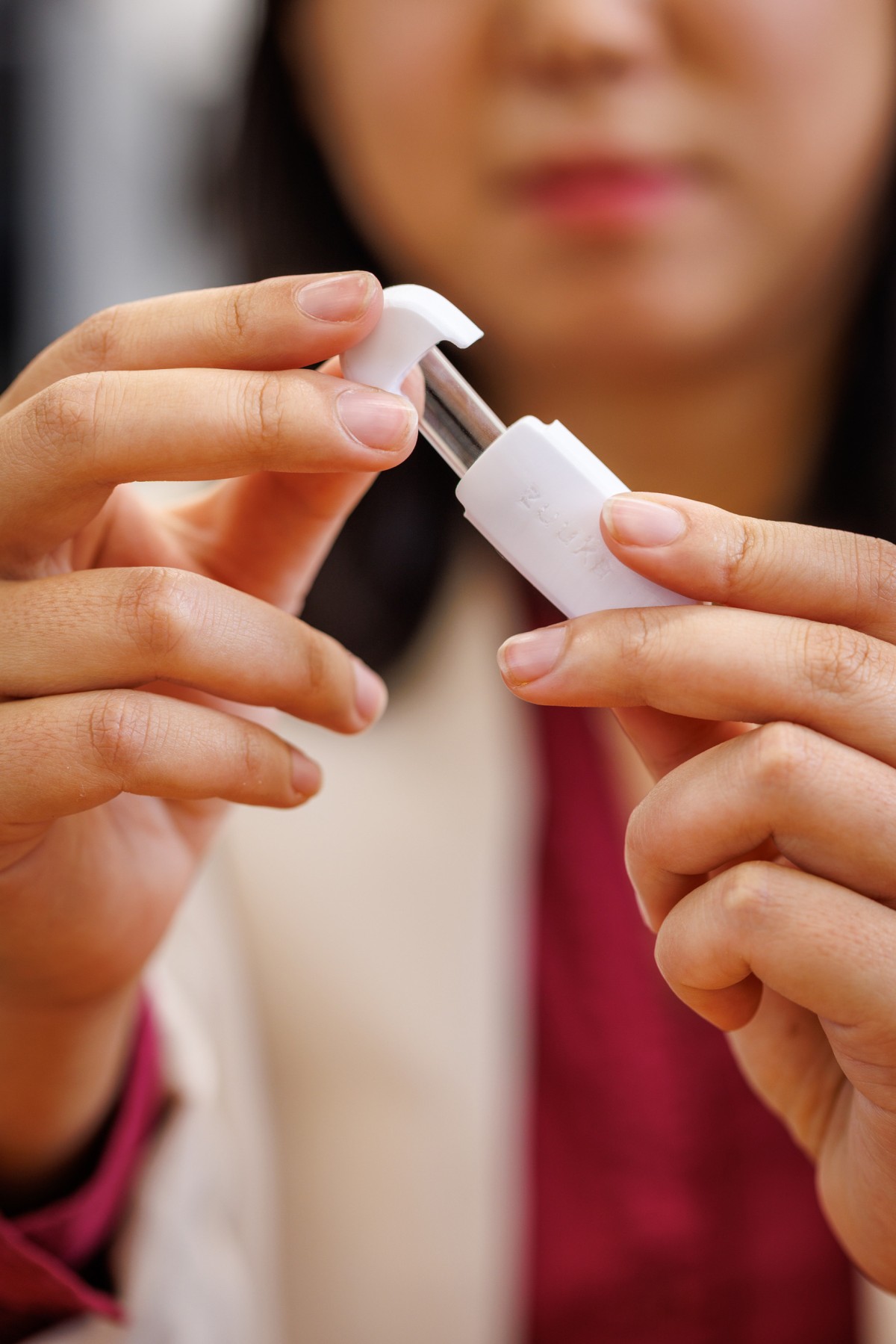
Christchurch-based medtech startup Zuuka is preparing to commercialize a proprietary wearable drug delivery platform designed to improve treatment adherence for chronic conditions like diabetes, obesity, and Parkinson’s. The company is currently raising capital to fund prototype development and regulatory submissions ahead of a planned entry into the $10 billion United States injectables market by 2029. This technology aims to address significant barriers in the medical device sector, including device complexity, patient stigma, and the environmental impact of disposable medical equipment.
Developed by Dr. Jake Campbell at the University of Canterbury, Zuuka’s platform utilizes a proprietary micro-actuator system that replaces traditional motor-driven mechanisms. This innovation allows for a miniaturized device approximately half the size of current market-leading patch pumps, capable of operating for over a year without regular charging. By focusing on a user-centric design, Zuuka aims to combat the high discontinuation rates seen in wearable medical devices—where roughly 18% of insulin pump users return to manual injections due to the cumbersome nature of existing equipment. The platform is designed to be almost invisible, reducing the psychological stigma and operational complexity that often hinder long-term treatment adherence.
Zuuka is targeting the United States as its primary commercial opportunity, citing a $10 billion market for injectables and a growing demand for automated delivery systems following recent FDA clearances for type 2 diabetes treatments. CEO Jamie Cairns noted that the current funding round will support engineering hires in Christchurch and prepare the company for a 2029 U.S. launch. Beyond usability, the system addresses environmental concerns in the medical device industry; by using a reusable pump body with replaceable components, Zuuka claims it can reduce medical waste by up to 99% compared to fully disposable patch pumps. This is significant given that a single Type 1 diabetes patient might otherwise discard over 7,000 pumps in their lifetime, an environmental footprint equivalent to 18,000 coffee cups per pump.
The platform is intended to integrate seamlessly with continuous glucose monitoring (CGM) systems, smartphone applications, and AI-driven cloud platforms to support proactive, remote models of care. While the initial commercial focus is on diabetes management, the company envisions adapting the technology for a variety of therapies transitioning from intravenous to subcutaneous delivery, including treatments for Alzheimer’s and pulmonary arterial hypertension. Dr. Campbell highlighted that simplifying these devices could also alleviate pressure on healthcare systems by reducing the extensive clinician training—sometimes exceeding three hours—required for current pump technologies. This shift toward home-based, intuitive treatment models is expected to lower overall healthcare costs and hospital demand.
Summary generated by RabbitReport AI from public reporting. The full article and original reporting belong to impactpr.co.nz.