Law School Increasingly Viewed as a Luxury Good Amid Rising Costs and Debt Concerns
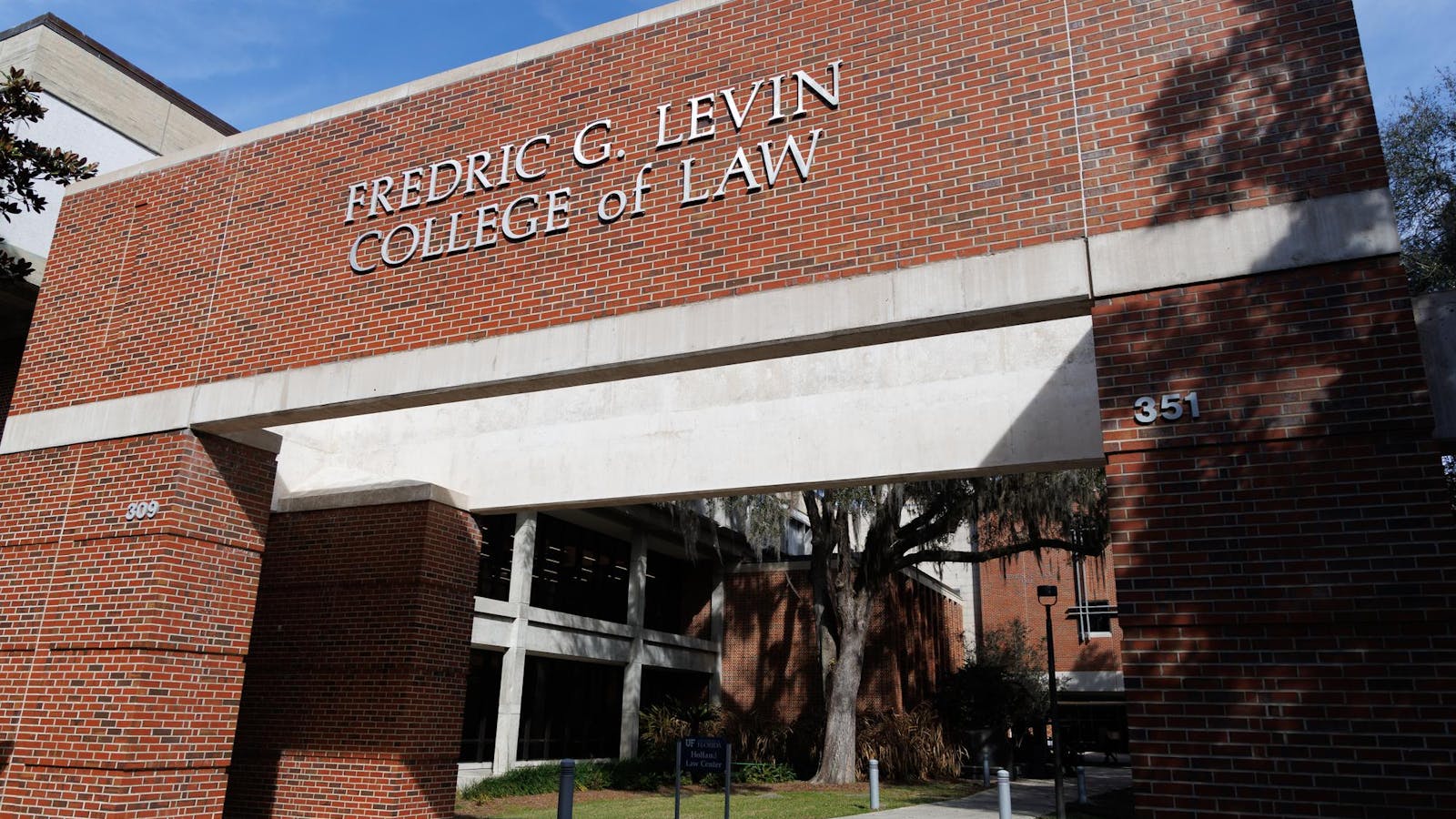
The rising cost of legal education is transforming law degrees into a 'luxury good,' with a vast majority of prospective students expressing significant concern over financial accessibility. Recent data indicates that nearly half of aspiring lawyers expect to incur six-figure debt, a trend that threatens to reshape the professional landscape by prioritizing high-paying corporate roles over public interest work. This shift highlights critical issues of affordability and fairness within higher education, prompting calls for structural reforms to maintain the sector's long-term viability and diversity.
According to a survey by Juris Education, a national law school admissions consulting firm, 97% of aspiring pre-law students are concerned about the escalating costs of legal education. Arush Chandna, co-founder of the firm, notes that approximately 43% of these students anticipate graduating with at least $100,000 in debt. This financial burden is exacerbated by limits on graduate student loan borrowing, such as those found in the One Big Beautiful Bill, creating a climate of anxiety that may deter talented individuals from entering the field or force them away from lower-paying public service roles.
To address these challenges, the report suggests a fundamental recalibration of the traditional three-year law school model. Survey data shows that 65% of prospective students would consider an accelerated two-year program or hybrid pathway to reduce tuition expenses and enter the workforce sooner. While such innovations face hurdles regarding BAR exam preparation and academic rigor, they offer a potential solution to the 'luxury' status of the degree by lowering the barrier to entry and allowing for more experiential learning opportunities.
Beyond structural changes, the article advocates for increased transparency and support regarding financial aid and career counseling. Law schools are urged to expand both merit-based and need-based aid, specifically targeting students pursuing public interest law or advocacy. Furthermore, institutions should provide specialized advising to help students navigate the financial projections and career growth patterns of various legal specialties. By addressing these economic realities, the sector can ensure that a law degree remains an accessible achievement rather than an exclusive commodity reserved for those with significant financial means.
Summary generated by RabbitReport AI from public reporting. The full article and original reporting belong to The Independent Florida Alligator.