Health Insurance Market Projected to Reach $3 Trillion by 2035 Driven by AI and Telehealth Integration
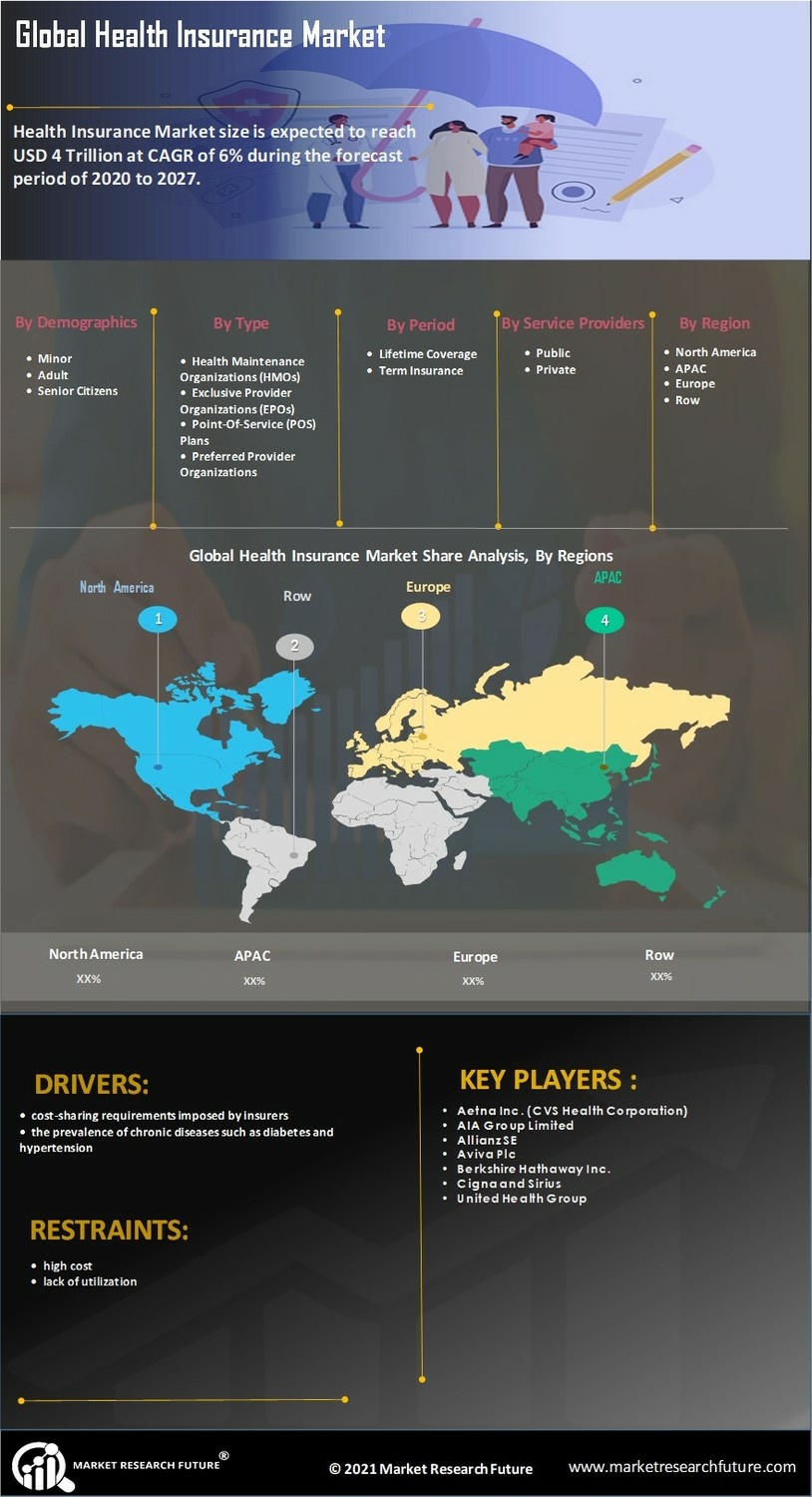
The global health insurance market is forecasted to grow from $2.065 trillion in 2025 to over $3 trillion by 2035, maintaining a compound annual growth rate of 3.81%. This expansion is heavily influenced by the integration of advanced technologies like artificial intelligence and data analytics, which are optimizing risk assessment and operational efficiency. For the health insurance technology sector, these shifts represent a critical move toward personalized, tech-driven care delivery and remote patient engagement.
According to Market Research Future, the health insurance industry is entering a transformative decade, with the market value expected to hit $3,001.31 billion by 2035. Major industry players, including UnitedHealth Group, Anthem, Aetna, Cigna, and Humana, are navigating a landscape defined by evolving consumer expectations and rapid technological adoption. The sector is specifically seeing a surge in telehealth solutions, with usage reportedly increasing by 50% over the last two years as consumers seek more convenient, remote access to medical professionals.
Technological innovation is a primary catalyst for market growth, particularly through the implementation of AI, data analytics, and wearable health devices. These tools allow insurers to streamline administrative processes and offer more tailored products based on real-time data. Furthermore, the industry is shifting toward preventive care, which has seen a 30% increase in utilization over the past five years. This trend toward early detection and management is intended to improve patient outcomes while simultaneously reducing long-term healthcare costs for providers and policyholders alike.
Demographic shifts and regulatory changes are also reshaping the market's strategic direction. With nearly 20% of the population expected to be over the age of 65 by 2030, insurers are developing specialized plans for chronic disease management and long-term care. Concurrently, government policies and the introduction of value-based care models are forcing insurers to reevaluate reimbursement strategies and compliance structures. These regulatory reforms aim to increase coverage and affordability, fostering a competitive environment where technology-driven efficiency is paramount for maintaining profitability.
Summary generated by RabbitReport AI from public reporting. The full article and original reporting belong to Market Research Future.