Borderlands Mexico: Laredo Summit Debates Driverless Freight Corridors and B-1 Trucker Alternatives
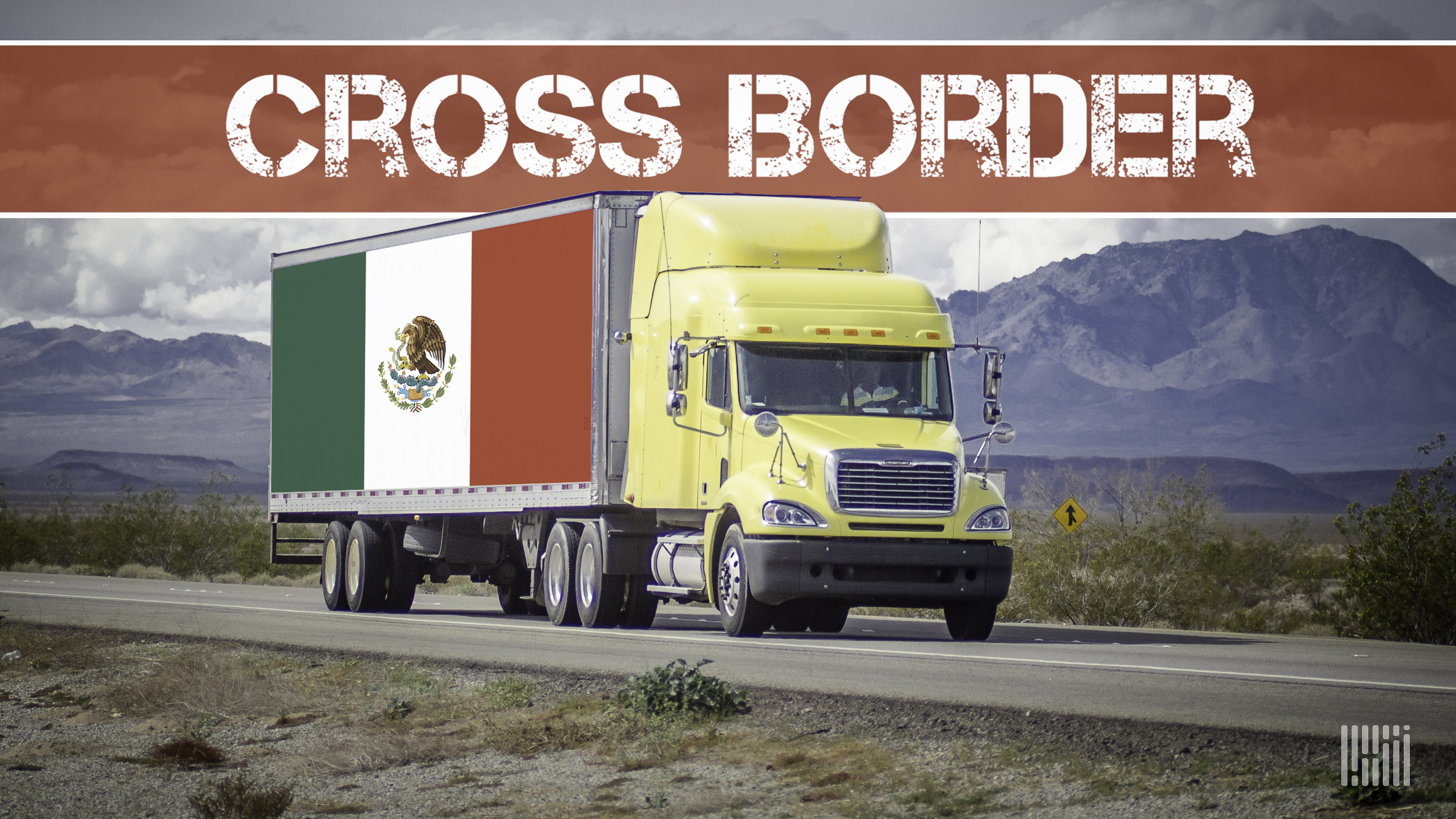
Industry leaders at the 9th Annual Modernization of Cross-Border Trade conference in Laredo addressed growing congestion and regulatory hurdles currently affecting U.S.-Mexico freight movements. The discussions highlighted innovative solutions to regional challenges, including a proposed autonomous shuttle corridor and a pilot program allowing U.S. drivers to deliver cargo directly into Mexico. These developments are critical for the trucking sector as it seeks to mitigate the impact of B-1 visa revocations and improve cross-border efficiency amid rising trade volumes.
Marco Antonio González Valdez, secretary of agriculture and regional development for the Mexican state of Nuevo León, revealed that over 300 B-1 visas have been revoked for drivers at the Laredo-area Colombia-Solidarity International Bridge this year. To counter the resulting operational challenges, Nuevo León launched a pilot program three weeks ago that permits U.S. truck drivers to cross into Mexico, deliver freight, and return with northbound loads. This initiative aims to eliminate the need for traditional transfer operations and reduce reliance on B-1 visa holders, with officials planning to expand the service deeper into Monterrey and other parts of the state within the next two years.
A more futuristic solution presented during the summit was the "Green Corridors" project, a privately funded initiative estimated to cost between $6 billion and $10 billion. Lorne Alcock, chief of staff for the project, described a 165-mile elevated guideway linking Laredo and Monterrey using autonomous, AI-enabled shuttles. Designed to bypass traditional border bottlenecks, the closed-loop system could eventually handle up to 10,000 trailers per day in each direction. The project targets a 2030 launch and intends to integrate customs facilities directly into its terminal operations to provide predictable transit schedules and full shipment visibility.
Beyond physical transit, the summit emphasized the transformation of the border region into a "logistics city" featuring high-value manufacturing and warehousing located closer to the crossing. José Minarro of Sunset Transportation and Jesus Ojeda of Redwood Logistics noted that logistics providers are significantly increasing investments in technology, AI, and auditing to manage evolving customs regulations and heightened enforcement. They argued that many current delays are caused by documentation and data synchronization issues rather than physical infrastructure, necessitating a more integrated approach to customs brokerage and freight visibility to support the continued growth of North American trade.
Summary generated by RabbitReport AI from public reporting. The full article and original reporting belong to FreightWaves.