Policy to products: Web3 innovation takes centre stage at Consensus Hong Kong
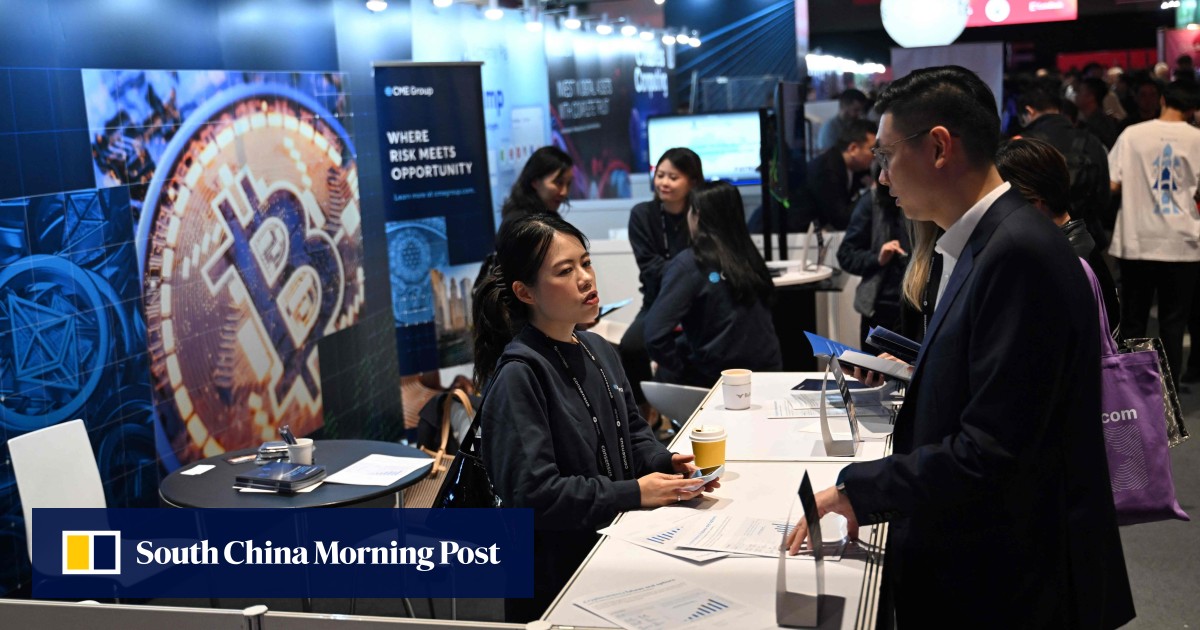
Consensus Hong Kong 2026 highlighted a strategic shift in the digital asset industry from regulatory discussion toward practical product implementation, specifically focusing on artificial intelligence and real-world asset tokenization. Hong Kong officials reaffirmed their commitment to becoming a global crypto hub by announcing upcoming stablecoin licenses and new legislation for digital asset dealers and custodians. These developments signal a maturing ecosystem where regulatory clarity is fostering institutional participation and the convergence of traditional and decentralized finance.
Hong Kong Chief Executive John Lee Ka-chiu opened Consensus Hong Kong 2026 by reaffirming the government's commitment to establishing the city as a global digital asset hub, announcing that the first stablecoin issuer licenses are expected in March. Financial Secretary Paul Chan Mo-po added that the government intends to introduce new legislation for digital asset dealers and custodian service providers this summer to support a pro-innovation environment. Furthermore, Securities and Futures Commission (SFC) CEO Julia Leung Fung-yee revealed that the regulator will greenlight virtual asset margin financing for clients with strong credit profiles and develop a framework for leveraged perpetual contracts for professional investors.
The conference signaled a pivot in industry priorities toward artificial intelligence (AI) and real-world asset (RWA) tokenization, moving away from the previous year's focus on exchange-traded funds. Bitget CEO Gracy Chen noted the upbeat mood despite recent Bitcoin drawdowns, while Binance CEO Richard Teng highlighted the convergence of traditional and decentralized finance through on-chain cross-border payments. The emergence of a "machine economy" was a recurring theme, with TRON founder Justin Sun asserting that his blockchain would become a home for AI agents. This technological integration was exemplified by BitRobot, an AI research network built on the Solana blockchain that demonstrated human-controlled fighting humanoids at the event.
Market participants reacted with enthusiasm to the SFC’s shift toward the "products" pillar of its virtual asset roadmap, with Caerus Global Management founder James Aitchison calling the regulatory updates a significant move for Hong Kong. Eric Yip Chee-hang, the SFC’s executive director of intermediaries, introduced the Digital Asset Accelerator to improve communication between the regulator and industry players. Myles Harrison of AMINA Bank observed that the current environment reflects a transition from experimental pilots to a phase of practical implementation. These advancements, including the allowance for exchanges to engage in market-making, aim to provide the clarity and infrastructure necessary for institutional growth in the region.
Summary generated by RabbitReport AI from public reporting. The full article and original reporting belong to South China Morning Post.