Tech Sector Gains: Consumer Electronics and Software Shine Amid Semiconductor Woes
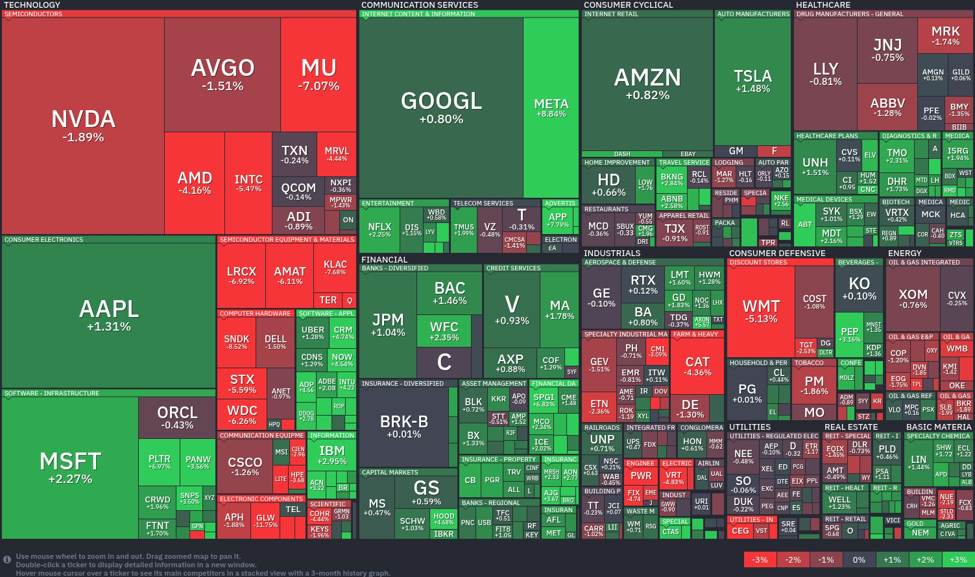
The U.S. technology market is currently experiencing a sharp divergence as consumer electronics and software stocks rally despite significant losses in the semiconductor sector. While chipmakers like Micron and Intel face declines due to supply chain anxieties, Apple and Microsoft have seen gains of 1.31% and 2.27% respectively, signaling a rebound in consumer trust and robust demand for digital innovation. This trend is vital for the consumer electronics industry as it suggests a strategic shift in investor confidence toward end-user products and resilient software ecosystems.
The U.S. stock market is currently defined by a landscape of contrasts, where semiconductor companies are experiencing notable losses while consumer electronics and software sectors remain in the green. Micron Technology (MU) led the downturn with a 7.07% decline, followed by Advanced Micro Devices (AMD) at 5.47% and Intel (INTC) at 4.16%. In contrast, Apple (AAPL) saw its stock appreciate by 1.31% and Microsoft (MSFT) surged by 2.27%. This divide reflects a 'red wave' of apprehension in the semiconductor industry, likely driven by persistent supply chain issues and industry-specific concerns, whereas consumer-facing tech is benefiting from a positive sentiment regarding growth and innovation.
Market analysts indicate that Apple's gains specifically highlight a rebound in consumer trust, while Microsoft's performance underscores a robust demand for software solutions. This suggests that the consumer electronics domain is currently viewed as a lucrative area for portfolio realignment, offering a potential hedge against the volatility seen in the hardware component manufacturing sector. Investors are being advised to monitor the semiconductor industry for recovery signals while prioritizing resilient stocks like AAPL and MSFT that demonstrate potential for continued growth. The shift toward consumer-oriented stocks is seen as a strategic move to navigate the current trading dynamics and safeguard investments against broader tech sector fluctuations.
Beyond the primary market movements, other significant developments are impacting the broader technology and consumer landscape. Meta shares jumped 10% following a push into cloud AI compute and the sale of excess capacity, while SpaceX debuted with an 'Outperform' rating and a $190 target based on the growth potential of Starlink and AI. However, the sector faces regulatory and competitive pressures, including a $2 billion antitrust hit against Google from Klarna over search bias and potential UK challenges to a $110 billion merger involving Paramount and Warner. These external factors, combined with regional economic shifts like the minimum wage increase in Chicago and the tech boom in Florida, create a complex environment for consumer electronics firms as they balance innovation with evolving regulatory and economic realities.
Summary generated by RabbitReport AI from public reporting. The full article and original reporting belong to investingLive.