Europe’s Chemical Industry Faces Structural Decline as Production Capacity and Investment Plummet
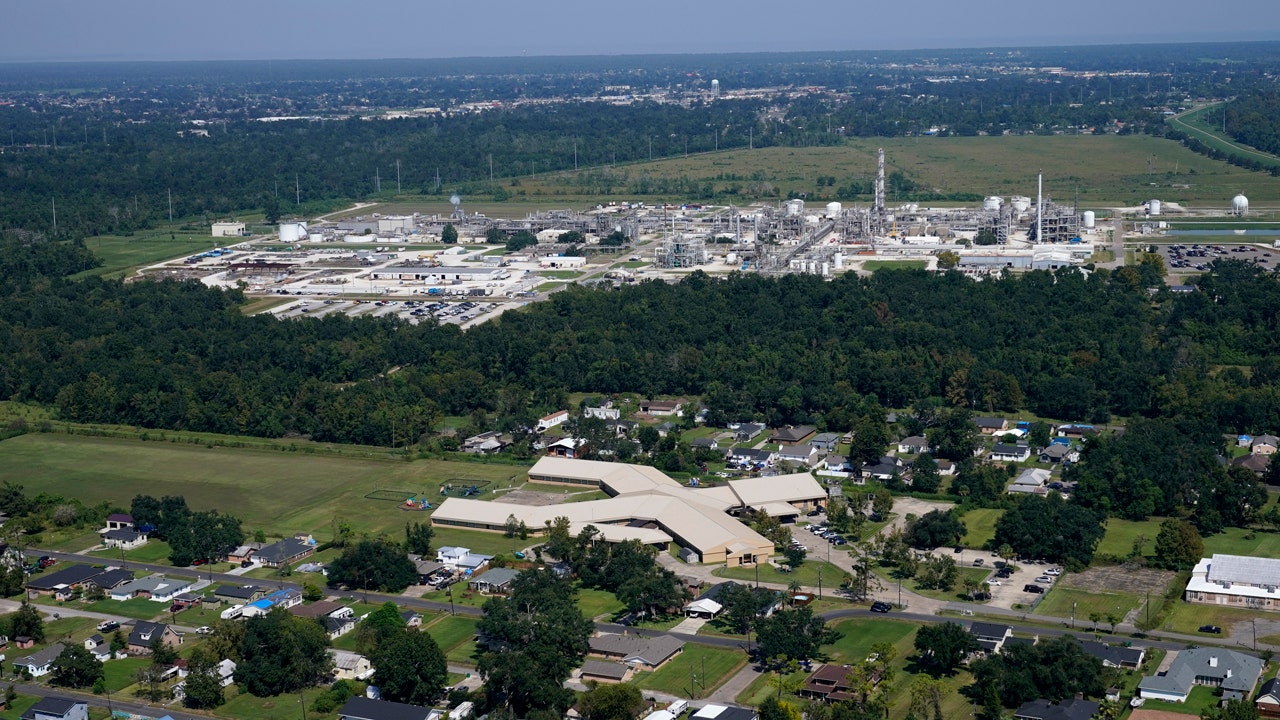
The European chemical industry is experiencing a significant contraction, with approximately 37 million tons of production capacity—nearly 9% of the continent's total—disappearing since 2022. This downturn is driven by a combination of high energy costs, stringent regulatory requirements under the EU’s net-zero agenda, and a surge in low-cost imports from China. The situation serves as a critical warning for the U.S. market, where similar pressures from overregulation and global competition could threaten domestic manufacturing stability over the next decade.
Recent data highlights a staggering collapse in European chemical manufacturing, with investment in the sector falling by more than 80% in 2025. New capacity additions dropped from 1.9 million tons in 2024 to just 0.3 million tons last year, while plant closures across the continent have doubled. Since 2022, the industry has seen the loss of 37 million tons of production capacity, representing roughly 9% of its total output, and the direct elimination of approximately 20,000 jobs.
Industry leaders, including Marco Mensink, director-general of the European Chemical Industry Council, attribute this structural decline to a double hit of internal and external pressures. Internally, manufacturers are struggling with high energy prices, slow permitting processes, and a complex maze of regulations tied to the European Union's net-zero goals. Externally, European firms are being undercut by Chinese producers who benefit from a structural cost advantage, largely due to access to discounted oil from sanctioned suppliers through parallel trading networks.
The unraveling of Europe's industrial base is viewed as a precursor for potential challenges in the United States if Washington fails to address similar regulatory and competitive trends. Because chemicals serve as the fundamental building blocks for the broader economy, the loss of domestic production capacity threatens long-term industrial sovereignty. Experts warn that without strategic intervention to balance environmental mandates with global market realities, the U.S. could face a similar hollowing out of its chemical production base within the next ten years.
Summary generated by RabbitReport AI from public reporting. The full article and original reporting belong to Fox News.