DEA Judge Issues Order Outlining Process for Marijuana Rescheduling Hearing
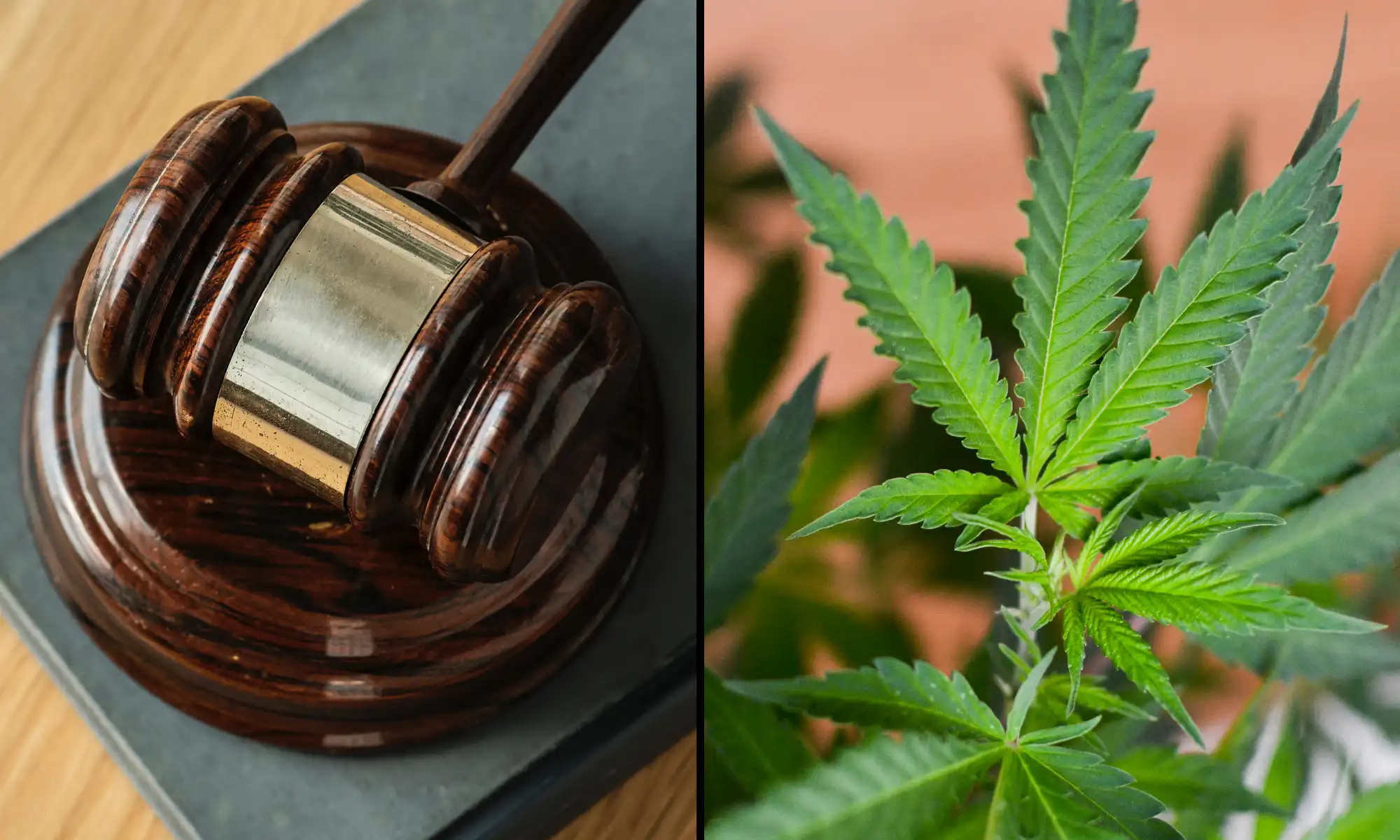
Chief Administrative Law Judge Derek Julius has issued a procedural order establishing the framework for a Drug Enforcement Administration hearing on the proposed rescheduling of marijuana to Schedule III. The hearing, scheduled to run from June 29 through July 15, will focus on whether the remainder of marijuana defined under the Controlled Substances Act should be moved from Schedule I. This proceeding represents a pivotal administrative step following an April order by Acting Attorney General Todd Blanche that already reclassified state-licensed medical cannabis.
Chief ALJ Derek Julius signed a 12-page order setting the timeline and rules for the upcoming proceedings at a DEA facility in Arlington, Virginia, noting that the government bears the burden of proof in defending the transition of marijuana to Schedule III. While the hearing is open to the public due to significant national interest, the judge has strictly prohibited any video or audio recording, livestreaming, or broadcasting of the sessions. Designated parties must appear in person, though witnesses may be permitted to testify via video teleconference. Government representatives are required to file notices of appearance by Monday, while other designated parties must submit prehearing statements and exchange exhibits by June 24, 2026.
The scope of the hearing is specifically limited to the "remainder of marijuana" not covered by a previous April order from Acting Attorney General Todd Blanche. That earlier order already reclassified state-licensed medical cannabis and FDA-approved marijuana products to Schedule III; consequently, Judge Julius stated that no evidence or testimony will be received regarding those already-rescheduled medical products. The current proceedings will instead focus on the broader classification of the substance under the Controlled Substances Act, aiming to receive factual evidence and expert opinion on the proposed transfer.
Participation in the hearing has become a point of contention, as the DEA has so far only invited opponents of cannabis reform to participate, excluding supporters like the Drug Policy Alliance (DPA). The agency argued in rejection letters that reform supporters do not meet the definition of an "interested person" because they are not "adversely affected" by a rule that moves marijuana to a less restrictive schedule. This exclusion comes as the rescheduling process faces multiple consolidated lawsuits from state attorneys general, marijuana legalization opponents, and a cannabis-focused biopharmaceutical corporation.
The ALJ maintains broad authority over the proceedings, including the power to subpoena documents, examine witnesses, and rule on the admissibility of evidence to ensure an expeditious disposition of the hearing. This current rescheduling effort follows a previous process that stalled last year amid litigation over alleged improper communications and witness selection. The final outcome of these hearings will determine the factual basis for the Attorney General's potential move to finalize the transfer of marijuana to Schedule III, a shift that would have broad regulatory impacts across the sector.
Summary generated by RabbitReport AI from public reporting. The full article and original reporting belong to Marijuana Moment.