Cosmetics and artificial intelligence: beauty in the algorithmic age
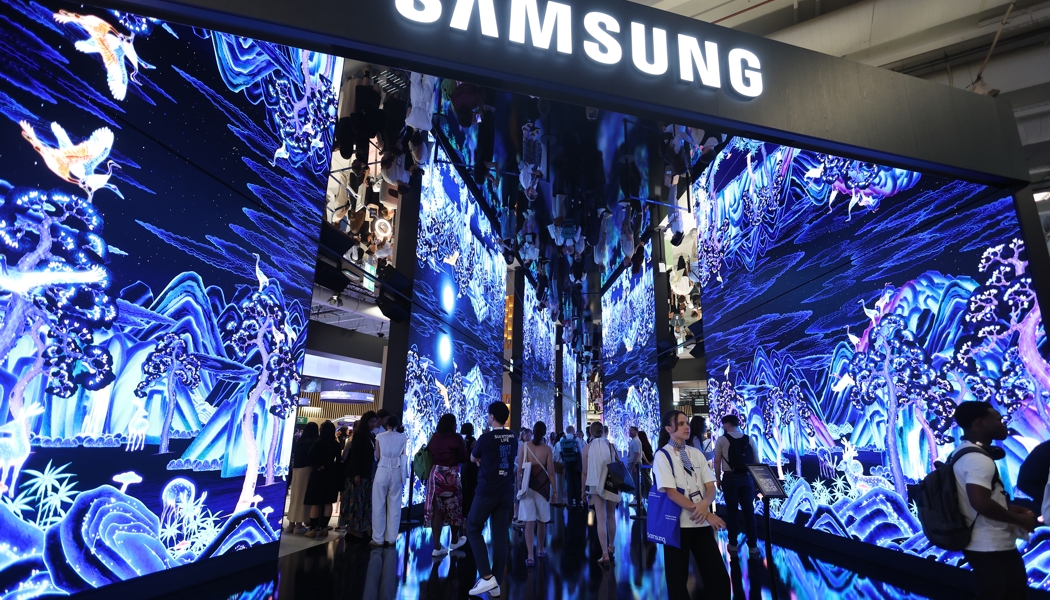
At the VivaTech trade show in Paris, major beauty players like L’Oréal and LVMH showcased how artificial intelligence is fundamentally transforming the cosmetics industry through predictive diagnostics and hyper-personalization. These innovations, ranging from scalp health scanners to biological skin age estimators, signal a shift where beauty increasingly converges with digital healthcare and wellness. As companies invest billions into technological infrastructure and partnerships with tech giants like OpenAI and Nvidia, AI is becoming the primary driver for consumer engagement and product development.
L’Oréal dominated the beauty tech showcase at VivaTech with the introduction of the K-Scan and Lancôme’s Cell BioPrint. The K-Scan, developed under the Kérastase brand, utilizes a database of 12,000 hair images to analyze scalp health and predict potential hair loss. Meanwhile, Lancôme’s Cell BioPrint, slated for a summer launch, uses surface samples to estimate biological skin age and provide tailored product recommendations. These tools reflect a broader industry move toward predictive technology, which expert Éric Briones notes is essential for attracting modern consumers who demand deep personalization.
To support these advancements, L’Oréal has committed massive financial resources, investing EUR 1.5 billion (USD 1.7 billion) in technology and approximately EUR 1.4 billion (USD 1.6 billion) in research and innovation over the last year. Guive Balooch, L’Oréal’s VP of Technology and Open Innovation, highlighted strategic partnerships with Nvidia to accelerate molecule discovery and OpenAI to enhance customer interactions via AI-powered services. These collaborations aim to create a competitive advantage by integrating science and technology across the entire value chain, from laboratory formulation to marketing.
LVMH is also aggressively adopting AI, particularly through its retail subsidiary Sephora, which recently launched a ChatGPT-powered application in the United States to provide personalized beauty advice. According to LVMH executives Gonzague de Pirey and Franck Le Moal, the digitalization of beauty is turning cosmetics into a form of healthcare where AI assistants learn user preferences to offer increasingly relevant responses. This lucrative intersection of beauty, health, and tech has also attracted non-traditional players like Samsung, which showcased its own AI skin and scalp analysis solution developed by Becon, a startup from the group’s internal innovation program.
Summary generated by RabbitReport AI from public reporting. The full article and original reporting belong to Premium Beauty News.