D.C.’s Autonomous Vehicle Deployment Authorization Amendment Act of 2026 has room for improvement
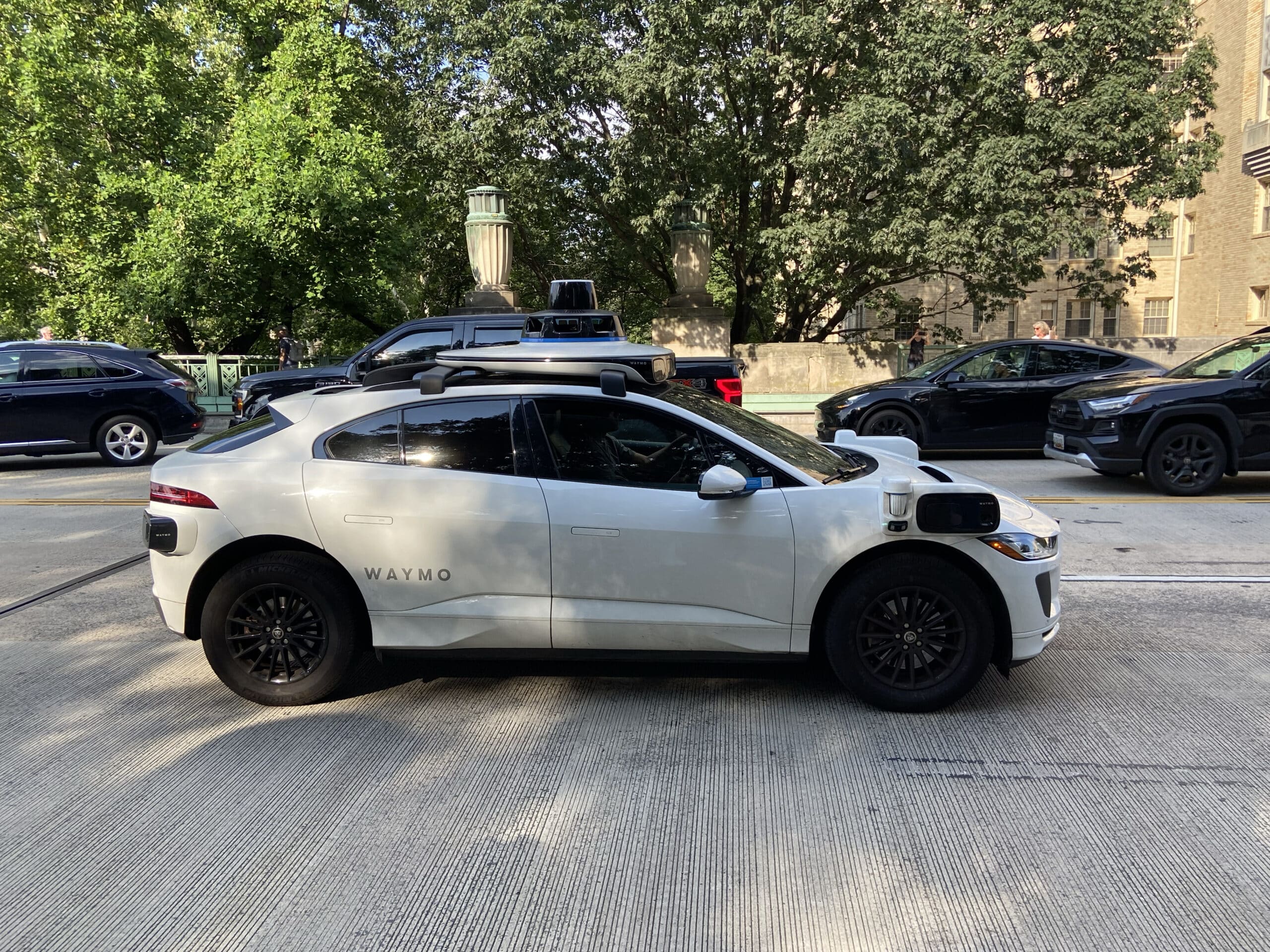
Marc Scribner of the Reason Foundation recently provided testimony to the Council of the District of Columbia regarding Bill 26-284, the Autonomous Vehicle Deployment Authorization Amendment Act of 2026. The testimony highlights critical areas for improvement within the legislation, specifically focusing on the proposed taxation of commercial autonomous vehicle operations. This development is significant for the autonomous vehicle sector as it signals potential regulatory hurdles and fiscal burdens for companies looking to deploy self-driving technology in the nation's capital.
Marc Scribner, a senior transportation policy analyst at the Reason Foundation, presented testimony to the Council of the District of Columbia’s Committee on Transportation and the Environment regarding the Autonomous Vehicle Deployment Authorization Amendment Act of 2026. While the Reason Foundation supports the goal of ensuring the safe operation of automated driving systems on public roads, Scribner raised concerns about specific provisions in the legislation, referred to in the testimony as Bill 26-684. The organization, which has provided pro bono consulting on transportation infrastructure since 1978, aims to help public officials design policies that balance innovation with safety and infrastructure funding.
A primary focus of the testimony is Section 2(g) of the bill, which proposes a vehicle-miles traveled (VMT) tax on commercial autonomous vehicle (AV) permit holders. Scribner argued that this specific tax structure requires refinement to better serve the District's transportation goals. The Reason Foundation brings extensive experience to this critique, having conducted research on distance-based road usage charging for decades and serving as a founding member of the Mileage-Based User Fee Alliance. Scribner himself has participated in pilot programs, such as the one conducted by The Eastern Transportation Coalition, to evaluate the practical implementation of such fees.
The implications of this legislation for the autonomous vehicle sector are substantial, as D.C. represents a high-profile market for AV deployment. Scribner’s background, including his membership on the Transportation Research Board of the National Academies’ Standing Technical Committee and his personal experience riding in AV prototypes in downtown D.C. as early as 2012, underscores the technical and legal complexities involved in regulating driving automation. As the District considers the 2026 Act, the industry is closely watching how the proposed VMT tax and other regulatory requirements will impact the commercial viability of AV fleets. The outcome of these legislative discussions will likely set a precedent for how other urban centers manage the intersection of autonomous technology and infrastructure revenue.
Summary generated by RabbitReport AI from public reporting. The full article and original reporting belong to Reason Foundation.