Sustainable Agriculture Technology Adoption
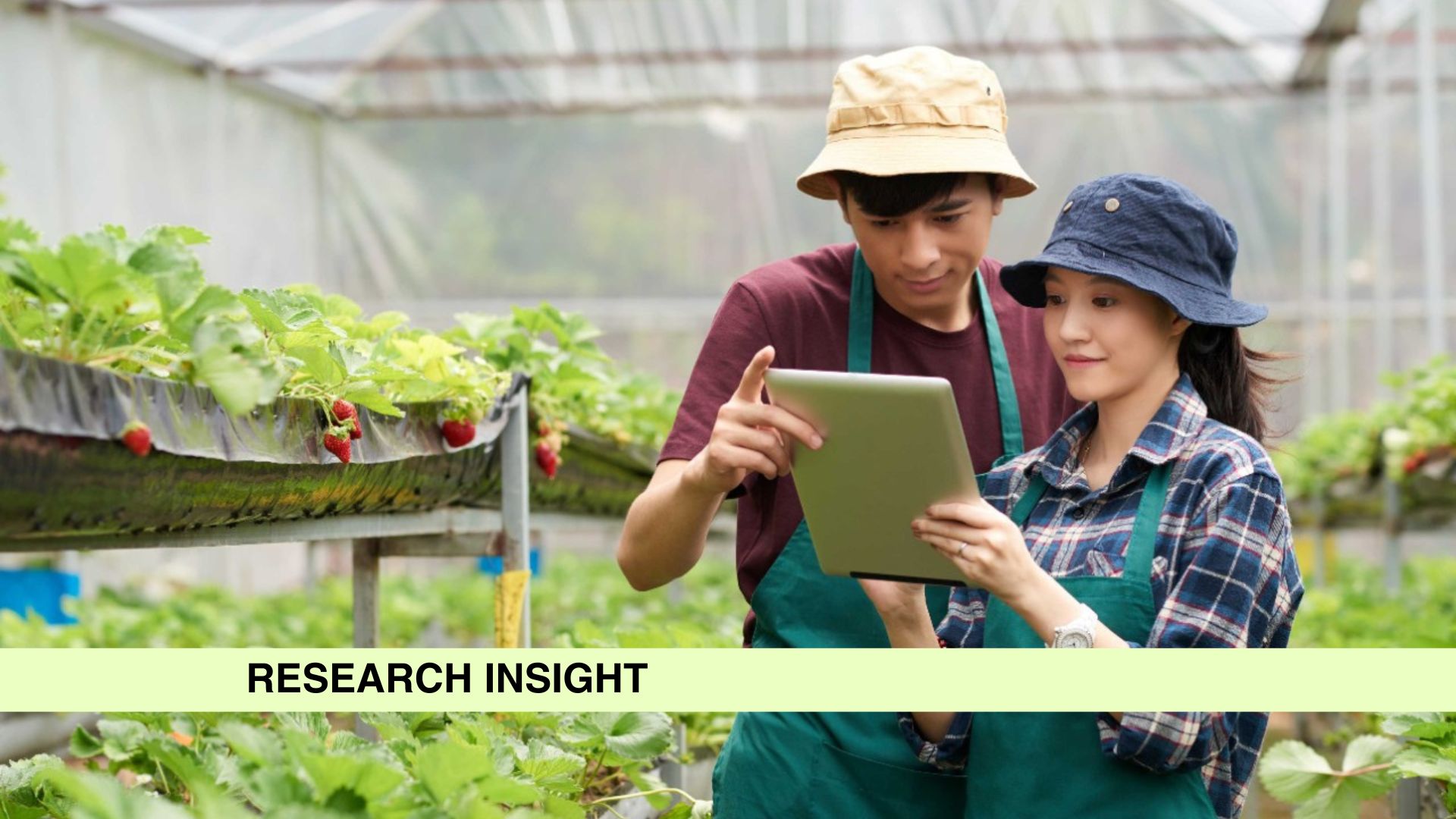
Toronto Metropolitan University’s Diversity Institute has identified critical research areas concerning the adoption of sustainable agriculture technology, with a specific focus on the role of skills as both barriers and enablers. This initiative forms part of a broader investigation into how technological innovation and workforce development intersect within the Canadian agricultural landscape. Understanding these dynamics is essential for the AgTech sector to ensure that labor capabilities keep pace with the rapid advancement of sustainable farming tools.
The Diversity Institute at Toronto Metropolitan University has highlighted a series of research reports that focus on the intersection of technology, skills, and the agricultural sector. Central to this collection is the report titled 'Sustainable Agriculture Technology Adoption - Barriers and Enablers: The Role of Skills,' which examines the human capital requirements necessary for modernizing farming practices. This work is supported by additional studies such as 'Technology and Agriculture: Adoption and Barriers,' indicating a systematic effort to map the challenges faced by the industry in integrating new AgTech solutions.
Beyond general industry trends, the research specifically addresses localized and specialized agricultural contexts through reports like 'Food Sustainability in the North: Skills Challenges and Opportunities in Community Greenhouse Projects' and 'Supporting Rural Agriculture Entrepreneurship.' These publications suggest that the barriers to technology adoption are not uniform, requiring tailored approaches for northern communities and rural entrepreneurs. By focusing on these specific segments, the research aims to identify the unique skill gaps and infrastructure needs that must be addressed to foster innovation across all geographic regions.
The institute’s work is further contextualized within a larger framework of economic transition, including the 'Greenification of SMEs' and the development of a 'Green Skills Competency Framework.' These initiatives provide a roadmap for how small and medium-sized agricultural enterprises can transition toward more sustainable operations through targeted training and skill acquisition. By linking agricultural technology adoption to broader themes of future skills and inclusive innovation, the Diversity Institute provides a strategic overview of the factors that will determine the success of AgTech implementation in the coming years.
Summary generated by RabbitReport AI from public reporting. The full article and original reporting belong to Toronto Metropolitan University.