S.Korea’s defense firms ramp up capacity as global arms race signals supercycle
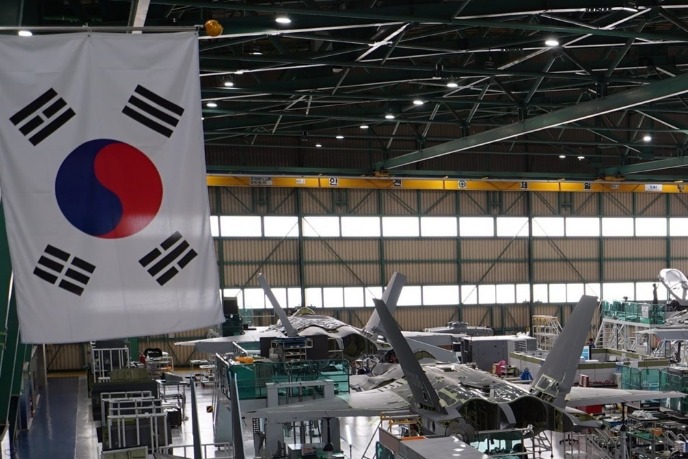
South Korean defense contractors are significantly expanding production capacity and international footprints to capitalize on a global arms supercycle and a goal to become a top-four global exporter by 2030. Driven by surging demand and successful combat performance of systems like the Cheongung-II, major firms such as Hanwha Group and LIG Nex1 are securing landmark overseas contracts and entering the European manufacturing market. This shift is reshaping South Korea's domestic corporate landscape while positioning the nation as a critical supplier in the global Aerospace & Defense sector.
The surge in global defense demand is fundamentally altering South Korea’s corporate hierarchy, with Hanwha Group ascending to the position of the country’s fifth-largest business conglomerate. This growth is supported by significant milestones in the maritime sector, such as Hanwha Ocean’s completion of a six-month maintenance, repair, and overhaul (MRO) revamp for the USNS Wally Schirra at its shipyard in Geoje. The successful delivery of the vessel on March 13, 2025, underscores South Korea's growing role in supporting U.S. naval logistics and its capacity to handle complex international defense contracts.
LIG Nex1, also referred to as LIG Defense & Aerospace, has achieved major breakthroughs with its missile technology, including the first overseas contract for the Haegung, a domestically developed ship-launched surface-to-air missile system. Market confidence in these systems has been further bolstered by reports that the Cheongung-II mid-range surface-to-air missile (M-SAM) system successfully intercepted Iranian strikes during recent attacks. This proven combat effectiveness has driven stock rallies for South Korean defense firms and validated the technical reliability of Seoul's indigenous weapons platforms on the global stage.
To reach its target of becoming a top-four global arms exporter by 2030, South Korean firms are accelerating plans to establish manufacturing facilities directly in Europe. However, this aggressive expansion faces potential hurdles, particularly regarding tightening security regulations in the United States. South Korean contractors are currently navigating a cyber compliance crunch as Washington tightens security rules, which are essential for maintaining their strategic partnership with the U.S. while expanding their global market share.
Summary generated by RabbitReport AI from public reporting. The full article and original reporting belong to KED Global.